How to Choose a Portable Power Station: 6 Key Tips
June 19, 2026 | Nate Cord
Choosing the right portable power station isn’t just about picking the biggest or most expensive model; it’s about understanding how they work, what you need to power, and how long you need it to run.
In this guide, we break down everything you need to know so you can confidently choose the right portable power station for your needs.
What Is a Portable Power Station?
A portable power station is essentially a large rechargeable battery system that stores electricity and allows you to power devices anywhere, without needing mains power.
Unlike traditional generators, they don’t use fuel, produce any fumes or emissions, and they’re safe for indoor use.
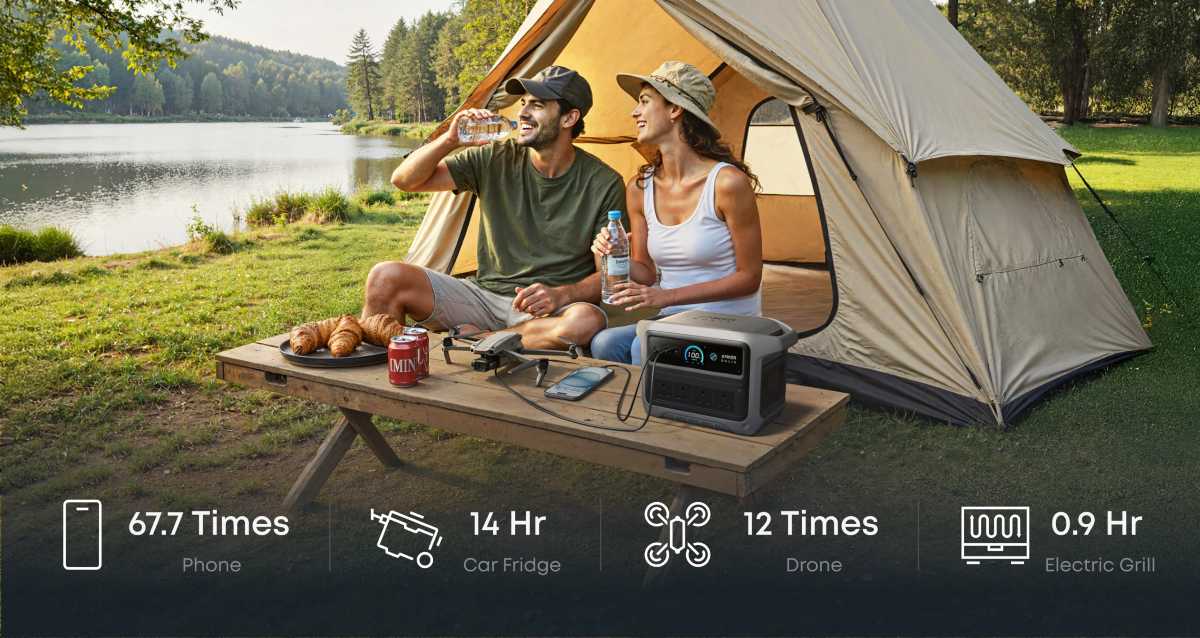
A portable power station is a quiet, fuel-free battery device that stores electricity to safely power appliances anywhere.
They also run almost silently, which is an added bonus.
They’re commonly used for camping, emergency home backup during power cuts, and outdoor events.
Modern portable power stations are becoming increasingly popular in the UK as flexible energy solutions for both home and outdoor use.
How Do Portable Power Stations Work?
To choose the right one, it’s important to understand how they actually work.
A portable power station has 3 key components:
1. Battery: Energy Storage
This is the ‘fuel tank’ of the unit. It stores electricity measured in watt-hours (Wh).
The bigger the Wh, the more energy it can store. Typical sizes range from 200Wh to 3000Wh+.
2. Inverter: Power Conversion
The inverter converts stored energy into usable electricity. It converts DC, which is battery power, to AC, which is household power.
This determines what appliances you can run.
3. Output Ports: Power Delivery
Each portable power station has certain output ports that allow you to plug in certain devices, such as AC sockets for appliances, USB ports for devices, and DC outputs for specialist gear.
In simple terms, it stores electricity, converts it, and lets you use it anywhere.
How to Choose a Portable Power Station
Choosing the right portable power station comes down to understanding how you plan to use it and what features matter most for your specific needs.
Here are the key considerations to help you make an informed decision:
1. Capacity
Capacity determines how long your portable power station will be able to run your devices before it needs recharging. It is measured in watt-hours (Wh), which indicates how much energy the unit can store.
As a general guide, smaller units between 200–500Wh are suitable for charging phones, laptops, and small lights. Mid-range models between 500–1000Wh are ideal for camping trips, TVs, and small appliances. Larger units over 1000Wh are better suited for home backup, powering tools, or running appliances like fridges.
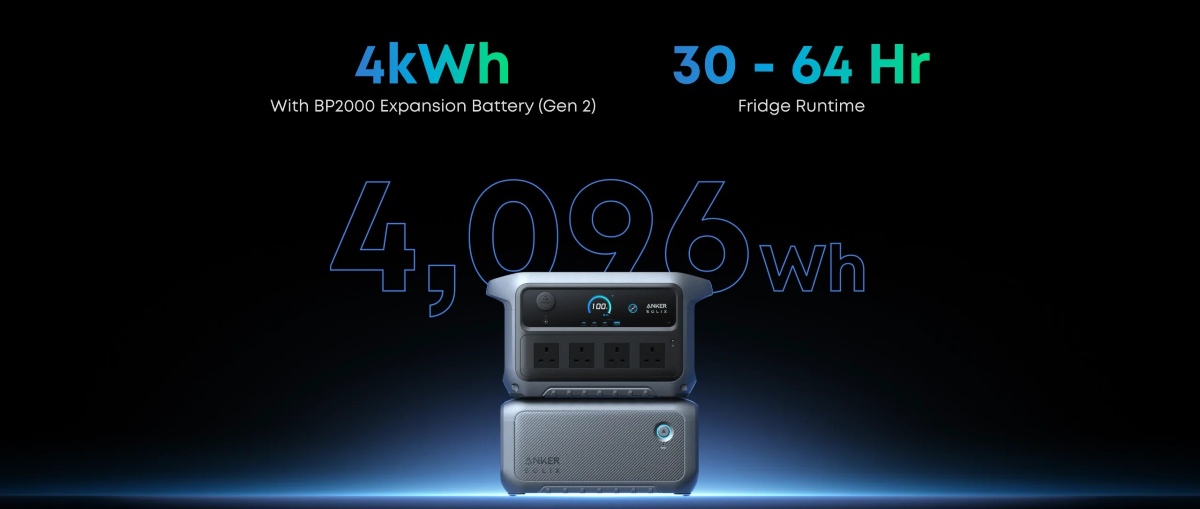
Capacity is the first thing to consider when choosing a portable power station, as they determine how long it’ll be able to run.
It’s important not only to consider what you are powering, but also how long you need it to run. A higher capacity will provide longer runtime and greater flexibility.
2. Power Output
Power output determines which devices your portable power station can actually run. This is measured in watts (W) and indicates the maximum load the unit can handle.
Lower wattage models are suitable for small electronics such as phones, tablets, and laptops, while higher wattage units are required for appliances like kettles, fridges, or power tools.
When comparing models, you should always check both the running watts, which is the continuous power output, and the surge watts, which is the extra power needed to start certain appliances. Some devices require a higher surge at startup, so ensuring your power station can handle this is essential.
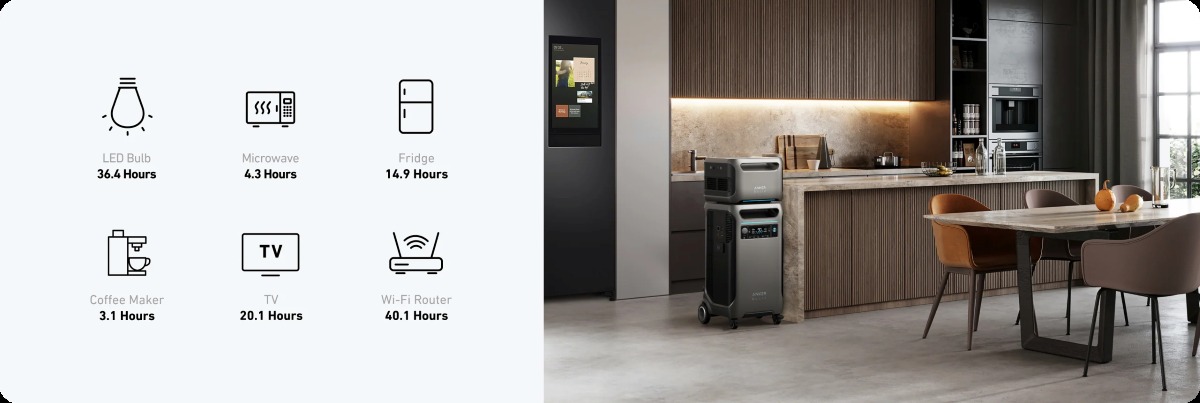
3. Battery Type
The type of battery used in a portable power station has a significant impact on its lifespan, safety, and overall value.
Lithium-ion batteries are commonly used because they are lightweight and more affordable, making them ideal for occasional use. LiFePO4 batteries, on the other hand, offer a longer lifespan, improved safety, and greater durability.
Your portable power station’s life span is crucial, so take some time to evaluate battery options. LiFePO4 models are the best long-term choice.
If you plan to use your power station frequently or rely on it for backup power, investing in a LiFePO4 model is often the better long-term choice.
If you need some support choosing your next portable power station and understanding battery types, check out our range today or contact us to discuss your options.
4. Port Selection
Not all portable power stations offer the same range of output ports, so it is important to check that the model you choose can support your devices.
Most units include AC outlets for appliances, USB ports for smaller electronics, and DC outputs for specialist equipment.
Even power stations with similar capacities can differ significantly in port options, so it is always worth reviewing this carefully before making a decision.
5. Charging Options
The flexibility of charging options can make a big difference, especially if you plan to use your power station in different environments.
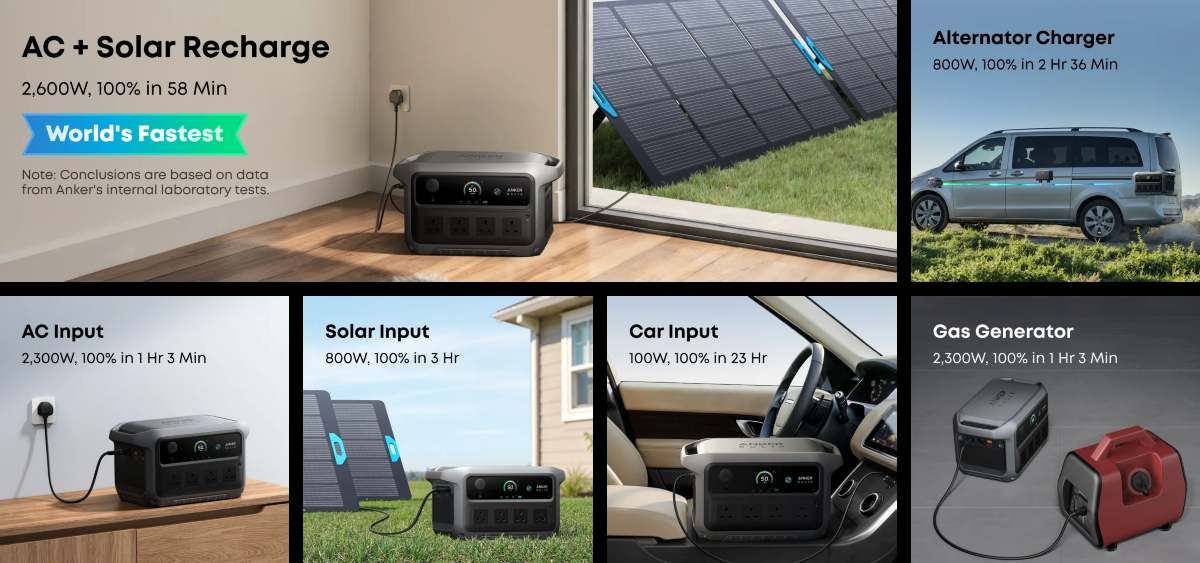
Considering charging options is key because different ones are needed depending on your environment.
The best models typically support multiple charging methods, including mains (AC) charging, car charging, and solar input.
Solar compatibility is particularly valuable for camping or long-term off-grid use, as it allows you to recharge your power station sustainably without relying on traditional power sources.
6. Its Use
Before choosing a portable power station, it is essential to clearly define how you intend to use it.
You should consider what devices you need to power, how long you need them to run, and whether you will be using the unit indoors, outdoors, or both. Answering these questions will help you determine the right balance of capacity, output, and features.
Ready to Choose Your Portable Power Station?
Now that you know what to look for, you’re in a strong position to choose a portable power station that fits your exact needs, whether you need it for camping, home backup, or off-grid use.
At Generators Direct, you’ll find a wide range of high-quality portable power stations designed for everything from everyday use to heavy-duty power demands.
If you’re unsure which option is best, taking the time to compare capacity, output, and features will help ensure you invest in a solution that delivers reliable power whenever you need it.
If you need some support with choosing your portable power station, contact our team, and we’ll help you find the best option for your needs.
Related articles
-
 July 9th 2026
Are Hyundai Diesel Generators Any Good? UK Buyer’s Guide
-
November 5th 2025
Do I Need An Inverter Generator?
-
January 19th 2026
Which Silent Generator Is the Most Efficient? Your Guide
-
December 17th 2024
How to Prepare Your Home for a Winter Storm
-
January 28th 2026
How to Choose an Industrial Heater








Be the first to know the latest industry news and offers