Your Complete Leaf Blower Buying Guide
July 25, 2025 | Nate Cord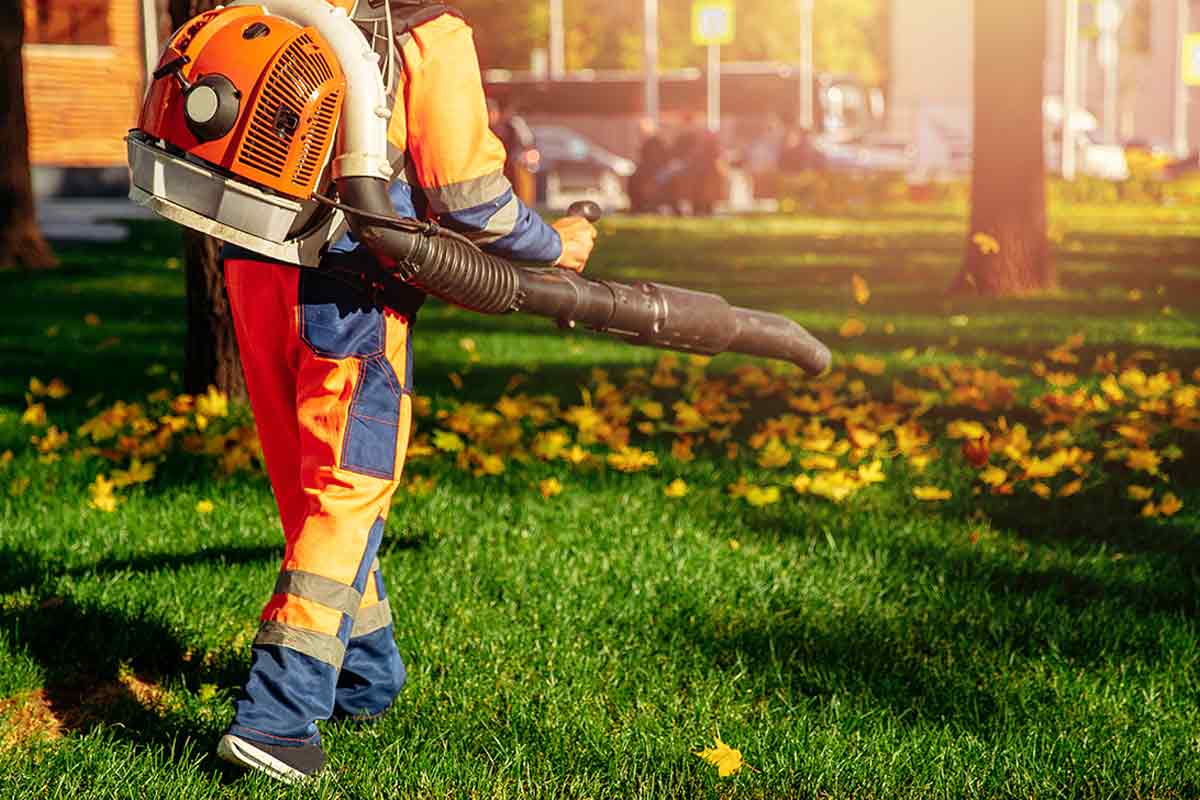
A leaf blower is a great tool for cleaning up leaves, debris, grass and hedge clippings. But with so many models, features, and power types out there on the market, knowing which one to choose isn’t always straightforward.
Luckily for you, we’re experts in leaf blowers, so we’ve created this buying guide to walk you through everything you need to know – from the different types of leaf blowers and how they work, to what features to look out for and which options suit different garden sizes and tasks.
But before we go into that, let’s start with the basics…
What Is a Leaf Blower and What Is It Used For?
A leaf blower is a handy garden tool that blasts out air to move things like leaves, grass cuttings, and bits of debris. So, instead of needing to sweep or rake everything up by hand, you can just blow it all into a pile and clear it that way – much quicker and easier.
Some common uses of a leaf blower go well beyond just shifting autumn leaves. For example, after mowing the lawn, you can use it to blow away all the loose grass clippings that end up scattered across your garden.
They’re also great for clearing patios, driveways, and decking, especially if you’ve got dust, small twigs, or leaves blown in by the wind. Because the air stream is so precise, you can easily reach tricky spots like corners, under bushes, behind garden furniture, or in between paving slabs where debris tends to gather.
Some people even use them for cleaning out garages or sheds, drying off equipment, or clearing light snow in winter. It’s one of those tools that turns out to be more useful than you’d expect.
How Does a Leaf Blower Actually Work?
In simple terms, a leaf blower works by simply drawing in air through a fan and then forcing it out through a narrow nozzle at high speed. This rush of air creates enough force to move leaves, grass cuttings, and light debris across the ground.
Most leaf blowers are powered either by electricity (corded or cordless) or petrol. Inside, there’s a motor that spins a fan, kind of like a jet engine on a small scale. The faster the fan spins, the more powerful the blast of air. That’s what gives you the oomph to clear a driveway or pile up a load of leaves in seconds.
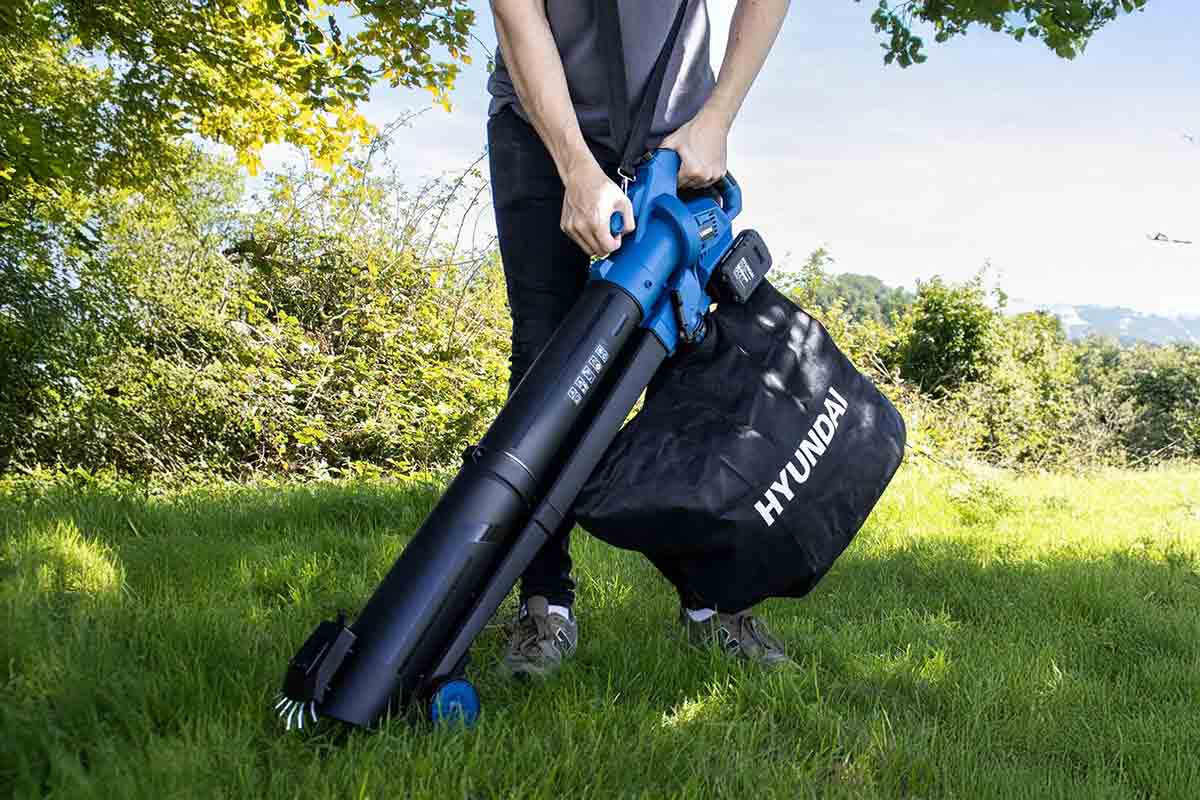
Some models also have a vacuum mode, so you can suck up the debris and collect it in a bag rather than just blowing it into a pile.
How to Choose a Leaf Blower
As we just touched on, there are a variety of different types of leaf blowers out there, and choosing the right one really depends on how and where you plan to use it.
Here’s what to keep in mind when it comes to choosing a leaf blower:
1. Power Source
A large proportion of leaf blowers on the market are powered either by electricity, whether that’s corded or battery-operated, or by petrol. Each one of these types has its pros and cons depending on your garden size, the type of jobs you’re doing, and how often you’ll be using it. Let’s look a little deeper into this…
Electric (Corded)
Corded electric blowers are a popular choice for smaller gardens. This type of leaf blower is often lightweight, easy to use, and relatively quiet, making them ideal for quick clean-ups without disturbing the neighbours.
The great thing about a corded blower is that you won’t have to worry about charging batteries or refuelling, and they tend to be more affordable than other options.
That said, for some, the main drawback is the cord itself. This is because you’ll need to stay close to a mains socket or use an extension lead, which can limit how far you can go.
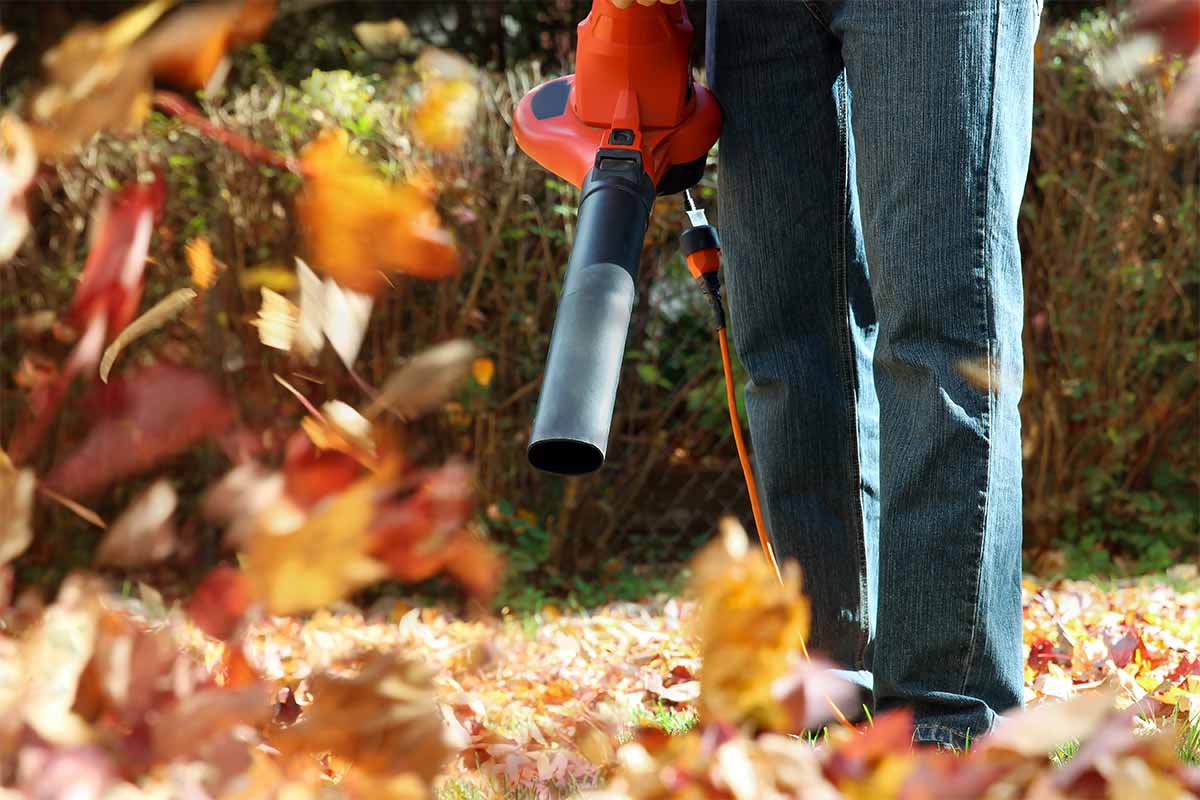
Still, for straightforward jobs like clearing a small patio or path, they’re a solid, fuss-free option.
Electric/Battery Powered (Cordless)
Cordless leaf blowers offer the best of both worlds, i.e. the freedom to move around without being restricted by a plug, and quieter operation than petrol models. Typically speaking, they’re best suited to medium-sized gardens or spaces where manoeuvrability is important, like navigating around garden beds, trees, or sheds.
The main thing to look out for when opting for a battery powered blower is battery life. Most models will give you anywhere from 15 to 45 minutes of use on a full charge, depending on the power settings and the job at hand. So, if you’ve got a lot of ground to cover, it might be worth investing in a spare battery so you’re not caught out halfway through.
Petrol Powered
Petrol leaf blowers are the go-to choice for bigger gardens, heavy-duty tasks, or commercial use. They tend to be more powerful than electric options, which means they can handle larger piles of leaves, wet debris, or tougher materials like twigs and gravel.
However, with that extra power comes more noise, weight, and maintenance. You’ll need to keep an eye on fuel levels, oil mixing (for two-stroke engines), and general upkeep. They’re also the loudest type, so if you don’t want to annoy the neighbours, you might want to stay clear.
2 Extra Features
Many modern leaf blowers come with handy extra features that can make your gardening jobs easier and more versatile. Some popular features it’s worth looking out for:
- Variable speed – Not all jobs require the same amount of power, so variable speed control lets you adjust the strength of the airflow depending on what you’re tackling.
- Vacuum and mulching functions – Some leaf blowers double up as vacuums, meaning you can switch modes to actually suck up leaves, grass cuttings, and small debris instead of just blowing them around. Even better, many of these models include a mulching feature that shreds the collected material into tiny pieces.
If these extra features sound desirable to you, the Hyundai HYBV3000E2 Cordless Leaf Blower-Vac, 3-in-1 Blower is the perfect leaf blower for you. This is a lightweight, battery-powered cordless and highly versatile 3-in-1 leaf blower that can be used as a blower, vacuum and mulcher.
It also features a sliding rake mechanism to extend and retract raking tines, making leaf and debris collection a breeze.
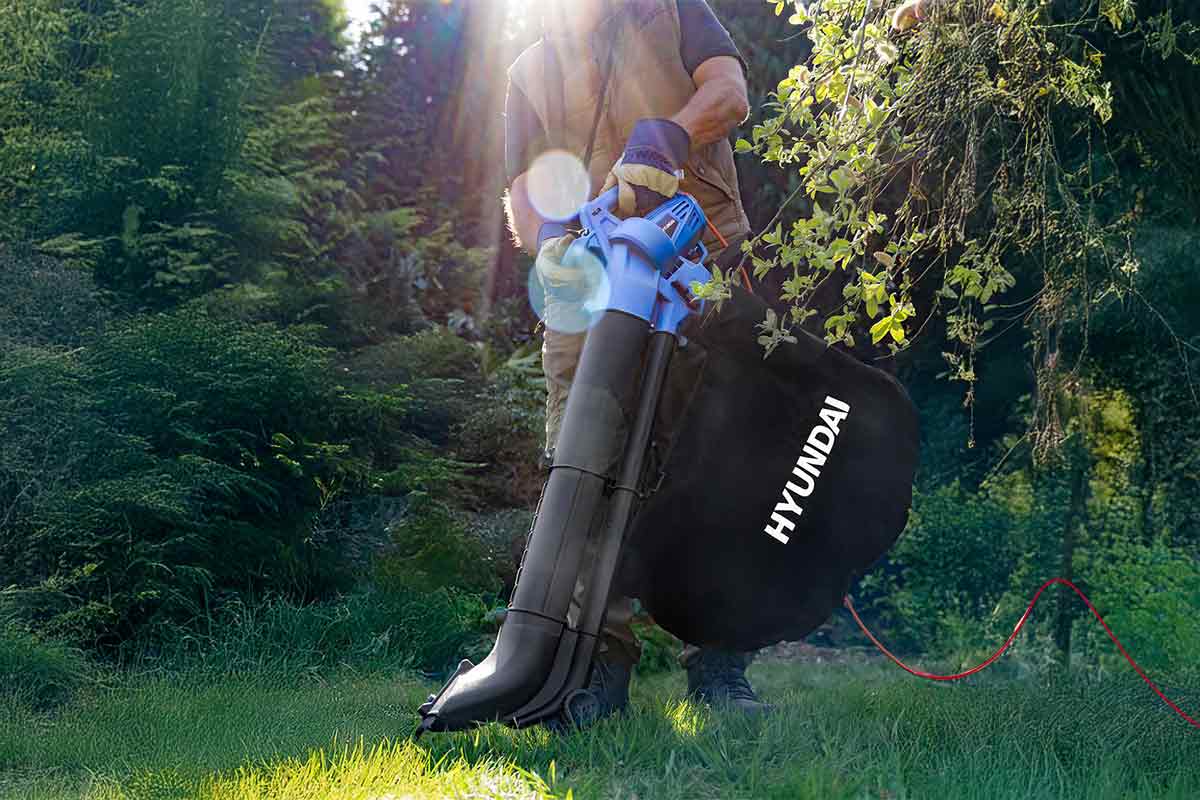
The Hyundai HYBV3000E2 Cordless Leaf Blower-Vac, 3-in-1 also features a desirable variable airspeed feature, reaching speeds of 230km/h / 142mph.
3. Air Speed/ Flow
When it comes to performance, two key figures to keep an eye on are air speed and airflow volume, as these measurements tell you how powerful the leaf blower really is.
Air speed refers to how fast the air is coming out of the nozzle. The higher the air speed, the more force the blower has, and most models will give you something between 150 and 300 km/h (or 90 to 185 mph).
Air flow volume is all about how much air is being moved rather than how fast. A higher airflow volume means the blower can move a larger quantity of leaves or debris in one go, making it much quicker to cover wider areas like lawns or driveways.
4. Noise Level
If you live in a quiet area or have neighbours close enough to hear every little sound, noise level is probably something you’ll want to keep in mind before choosing a leaf blower. Most leaf blowers can be quite noisy, but how loud they get really depends on the type of power source.
Electric blowers tend to be much quieter compared to petrol ones as they run on electric motors, so they produce a lower and more consistent hum rather than the loud, chugging noise of a petrol engine.
When shopping around, look out for the decibel (dB) rating of the leaf blower. This number gives you an idea of how loud it will be in action. For reference, a quiet electric blower might operate around 60-70 dB (similar to a normal conversation), while petrol models can often exceed 90 dB.
How We Can Help
Do you have another question or require additional advice on leaf blowers, generators or other garden machinery? Check out our regularly updated blog page, or don’t hesitate to get in contact with our experts using this form or via phone at +441639849847.
At Generators Direct, all of our products are manufactured, tested and certified to industry standards and come with a price promise – you won’t find prices cheaper anywhere on the web, but if you do, we’ll match them. In addition to this, all orders come with free mainland UK shipping and after-sales support from our experts.
Related articles
-
 July 16th 2024
What Is the Best Generator for a Caravan?
-
May 13th 2025
The Ultimate Guide to Surface Cleaners for Pressure Washers
-
May 9th 2024
Generator Buying Guide: Everything You Need to Know
-
June 23rd 2026
What to Look for When Buying a Used Generator
-
February 6th 2026
Are Portable Generators Waterproof & Can They Run in the Rain Safely?









Be the first to know the latest industry news and offers