6 Generator Maintenance Tips Every Owner Should Know
October 24, 2025 | Nate Cord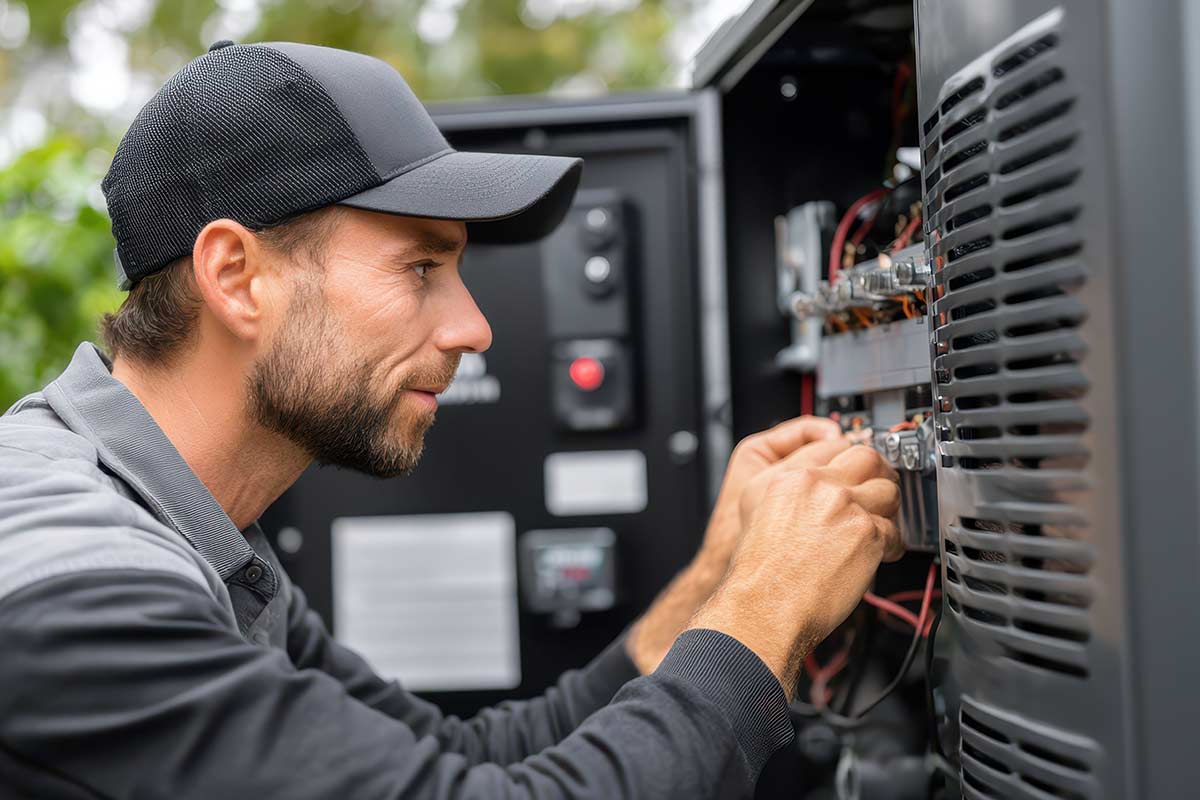
Generators are powerful machines, but like any complex equipment, they require care to keep them running efficiently. Underestimating the importance of upkeep can lead to costly repairs or unexpected downtime.
Research shows that the chance of generator failures is higher for poorly maintained generators than for those that are well maintained. Preventative generator maintenance is key to keeping your equipment in good shape.
Whether your generator is for home backup, business operations, or job site use, consistent care can prevent issues before they arise, so your generator is ready whenever you need it.
We’ll walk you through some practical generator maintenance tips that can help extend its lifespan below.
1. Change Your Oil Regularly
Even if you only use your generator occasionally, old or dirty oil can cause serious problems, including engine seizures or complete failure when you need power the most.
Generators rely on oil for several important functions:
- Lubrication: Oil reduces friction between moving parts, preventing wear and tear.
- Cooling: Oil absorbs and disperses heat generated during operation.
- Cleaning: It helps trap dirt, metal particles, and other contaminants.
- Anti-Corrosion: Oil protects internal components from rust and moisture, especially during long periods of activity.
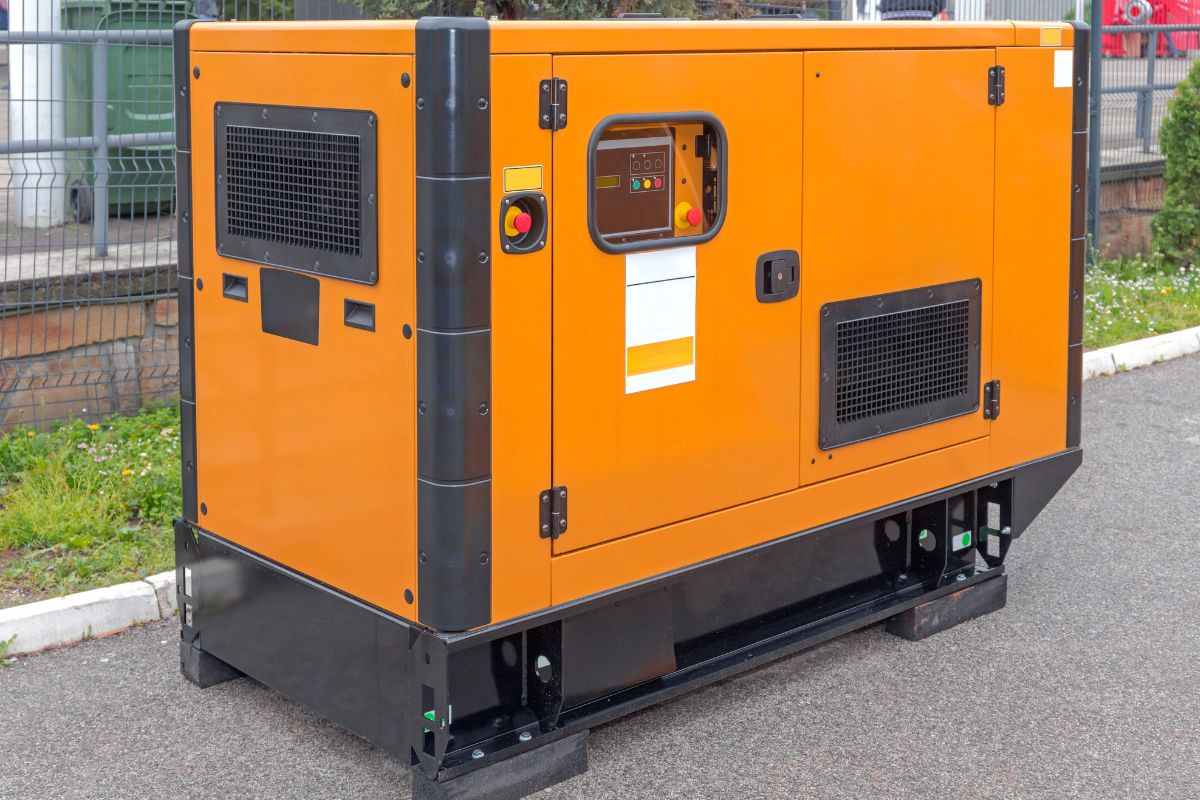
Caption: Old or dirty oil can cause serious problems, including engine seizures or complete failure when you need power the most.
2. How Often Should You Change Oil in A Generator?
How often you change your generator’s oil depends on the type of generator, usage, and manufacturer guidelines. Check your owner’s manual for specific guidance tailored to your model.
General Guidelines:
- Portable generators: Typically require an oil change every 100–200 hours of use. If your generator is new, an initial change may be needed after the first 25–50 hours to remove break-in residues.
- Continuous use: Diesel generators running 1500 RPM engines should have an oil change every 250 hours, while gasoline or 3000 RPM engines need one every 100 hours.
- Occasional or emergency use: Even with minimal operation, oil degrades over time. Aim for a full change at least once a year.
Following a consistent oil routine reduces wear, maintains performance, and ensures your generator is ready when you need it.
3. Inspect and Clean The Air Filter
The air filter plays a crucial role in keeping your generator running smoothly. It prevents dust, dirt, and other debris from entering the engine, much like our lungs rely on clean air to function properly.
Inside, generator air filters are made from porous materials such as foam, sponge, or pleated paper. These materials trap unwanted particles while allowing clean air to pass into the combustion chamber.
Over time, contaminants can build up in the filter, reducing airflow so dirt can reach the engine. If the filter becomes clogged, your equipment has to work harder, which can reduce efficiency and shorten the generator’s lifespan.
How to Know When Your Air Filter Needs Attention
- Excessive debris: While a thin layer of dust is normal and can be wiped away, a heavy buildup indicates it’s time for a deep clean or a full replacement.
- Oil contamination: Light residue can often be removed, but if the filter is saturated with grease, it can no longer function properly and should be replaced.
- Physical damage: Any tears, holes, or other damage reduces the filter’s ability to protect the engine, making replacement necessary.
Check your air filter regularly, especially in dusty or polluted environments. Clean reusable filters according to the manufacturer’s instructions, or seek professional service if you’re not completely performing maintenance yourself.
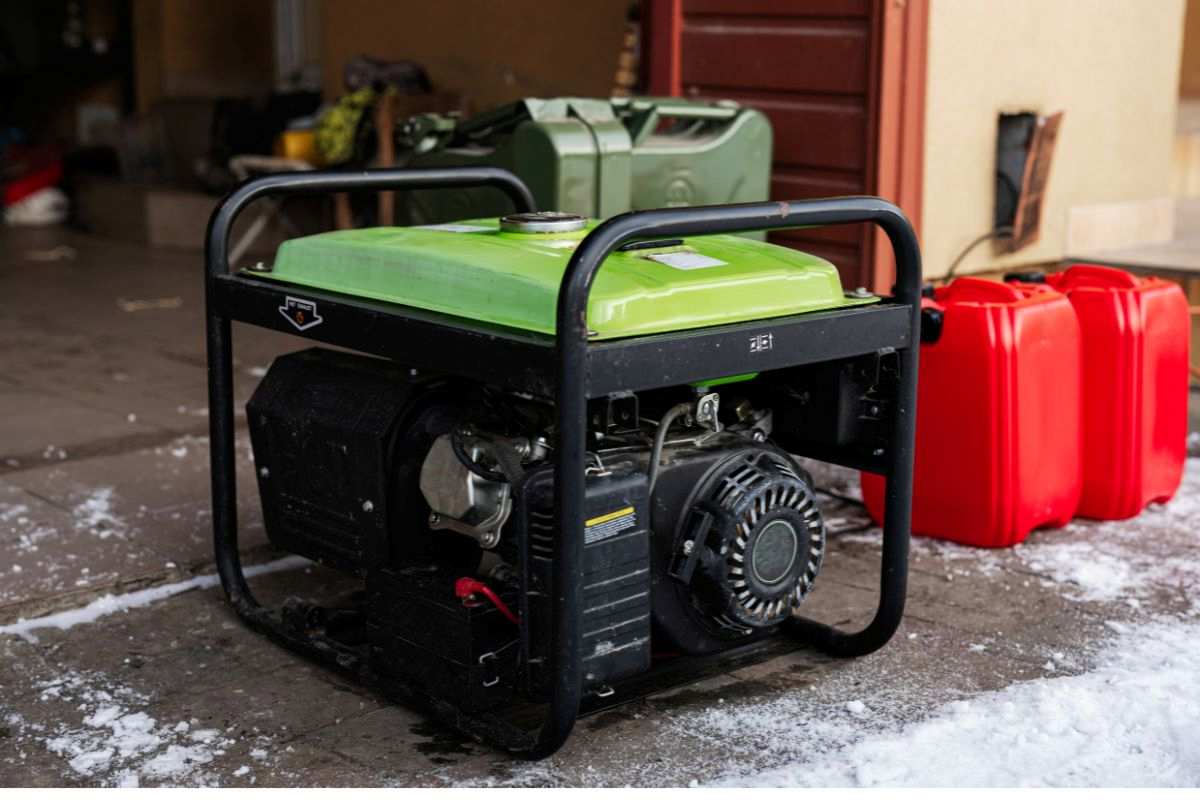
Caption: If the air filter becomes clogged, your generator has to work harder, which can reduce efficiency and shorten the generator’s lifespan.
4. Check Your Spark Plugs
Though small, spark plugs are a key component of your generator’s engine. They deliver the electrical spark that ignites the air-fuel mixture, powering the pistons and producing electricity.
Over time, high temperatures, combustion deposits, and regular use can wear them down, so regular inspection and maintenance are essential for smooth operation.
Signs a spark plug needs attention:
- Hard starts or difficulty starting the generator
- Rough or uneven engine running
- Increased fuel consumption
- Misfires or intermittent sparks
- Visible wear, deposits, or damage on the electrode or ceramic insulator
Regular inspection is key. Look for wear, carbon buildup, cracks, or other damage, and ensure the electrode gap is within the manufacturer’s specifications. Cleaning minor deposits and replacing heavily worn plugs helps your generator run smoothly, extending its overall lifespan.
5. Replace Your Generator Battery Regularly
Keeping your generator battery in top condition is just as important as replacing it on schedule.
Most generator batteries last 2 to 3 years, although their lifespan can vary depending on the battery type, usage patterns, maintenance practices, and environmental conditions.
Signs your battery may need replacing sooner:
- Slow or failed starts
- Corrosion on battery terminals
- Swelling or bloating of the battery
- Frequent low-battery alerts
Regular inspections are key to extending battery life. Check for cracks, leaks, or swelling, and ensure all connections are clean, tight, and free from corrosion.
Measuring the battery’s voltage helps confirm it’s holding a proper charge, and professional load testing can provide a thorough assessment of its overall health and capacity.
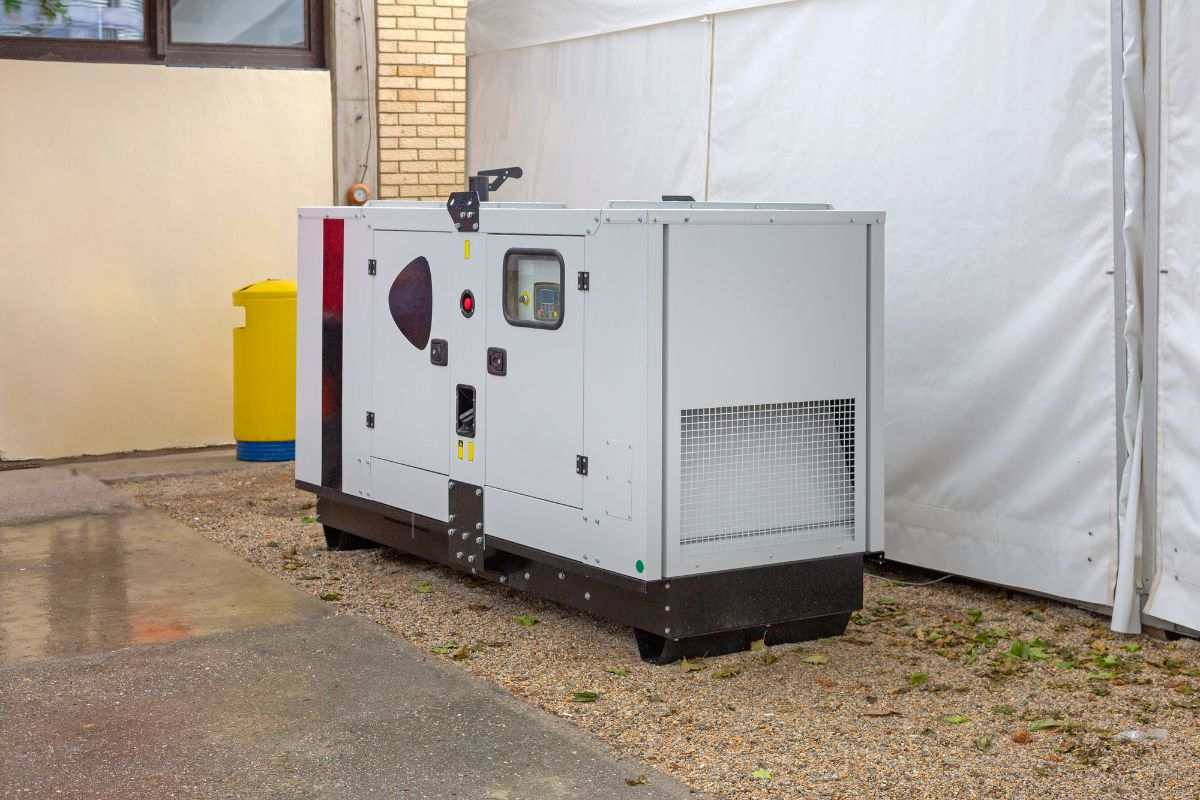
Caption: Keeping your generator battery in top condition is just as important as replacing it on schedule.
6. Test Your Generator Regularly
Just like running a car engine helps keep it in good working order, turning your generator ensures all its components stay lubricated, the carburettor functions properly, and the battery remains charged.
A good rule of thumb is to run your generator every three to four months for 10-20 minutes. This allows the engine to reach operating temperature and gives all parts a chance to move and stay lubricated.
For even better maintenance, some owners perform short test runs once a month, which can identify minor issues before they become major problems.
Testing is something that you can do yourself, but you should call a professional if your generator won’t start or stay on, emits unusual sounds or smells, or shows visible damage, such as frayed wires or rust.
Keep Your Generator Running At Its Best
The generator maintenance tips outlined above can protect your investment and extend the lifespan of your equipment.
To make maintenance even easier, consider using a generator service kit. These kits include the essential items for routine upkeep, such as oil, filters, and spark plugs, all tailored to your generator’s make and model.
All our products are fully tested and certified, come with free mainland UK shipping, and are backed by expert after-sales support.
For guidance on choosing the perfect generator, check out our generator buying guide, or call +44 1639 849847 to speak directly with a member of our team.
Related articles
-
 August 19th 2026
Flexible Business Payment Options for Generators with iwocaPay
-
August 10th 2026
What Is a Welder Generator? A Complete Buyer’s Guide
-
June 10th 2025
How Quiet Are Silent Generators?
-
July 9th 2026
Are Hyundai Diesel Generators Any Good? UK Buyer’s Guide
-
November 20th 2024
5 Reasons to Invest in a Backup Generator This Winter









Be the first to know the latest industry news and offers