Thermoelectric Generator vs Solar Panels: Your Guide
January 19, 2026 | Nate Cord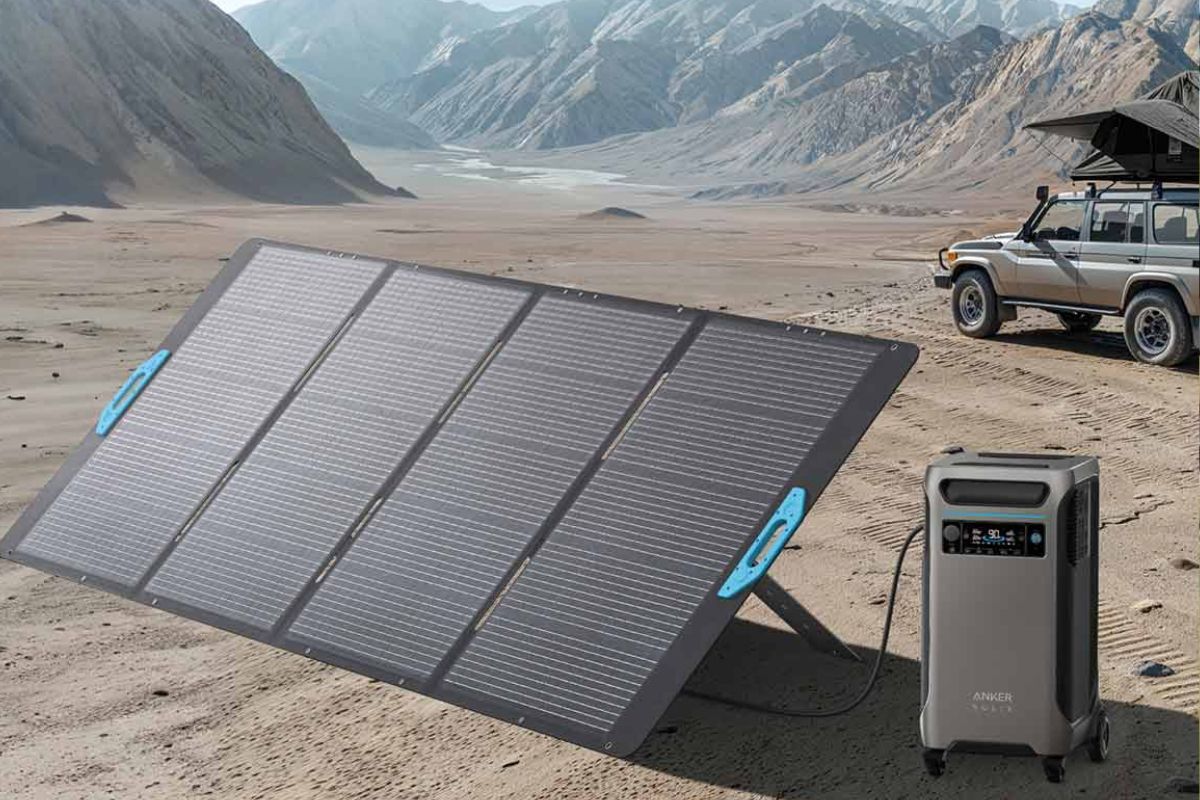
Thermoelectric Generator vs Solar Panels: Your Guide
Choosing the right power source isn’t always straightforward, especially when you’re weighing up two very different technologies like thermoelectric generators and solar panels.
Both offer a way to produce electricity without relying on traditional power, but they do it in completely different ways and are used best in very different situations.
Whether you’re remote living, preparing for emergencies, planning a camping trip, or simply curious about alternative energy options out there, understanding how these systems work can help you make a much more informed decision. And we’re here to help you do that!
In this guide, we’ll break down the basics of each, look at how they perform in the real world, and explore when one might be a better fit than the other. By the end, you’ll (hopefully) have a clear, practical sense of which option suits your needs – without the confusion.
What Is a Thermoelectric Generator (TEG)?
A thermoelectric generator, often shortened to TEG, is a clever little device that turns heat directly into electricity.
It works using something called the Seebeck effect, which means that when one side of the generator is hot and the other is cool, it creates a flow of electrical current. There are no moving parts, no engines to maintain, and no noise, just a steady conversion of heat into usable power.
You can run a TEG from almost any heat source, whether that’s a wood-burning stove, a campfire, the exhaust from machinery, or even the warmth of your own body in very small wearable versions.
Although they’re not the most efficient way to generate electricity, their ability to operate continuously as long as heat is available makes them incredibly reliable.
What Are Solar Panels?
In contrast, solar panels are devices designed to capture sunlight and turn it into electricity using what’s known as the photovoltaic effect.
Inside each panel are lots of small cells made from materials like silicon, which release electrical charges when hit by sunlight. These charges then flow through the system to produce usable power.
Solar panels are typically mounted on rooftops or placed in open spaces where they can soak up as much daylight as possible, but you can also find smaller, portable versions for camping and travel. They’ve become hugely popular because they offer a clean, renewable way to generate electricity without relying on fuel or moving parts.
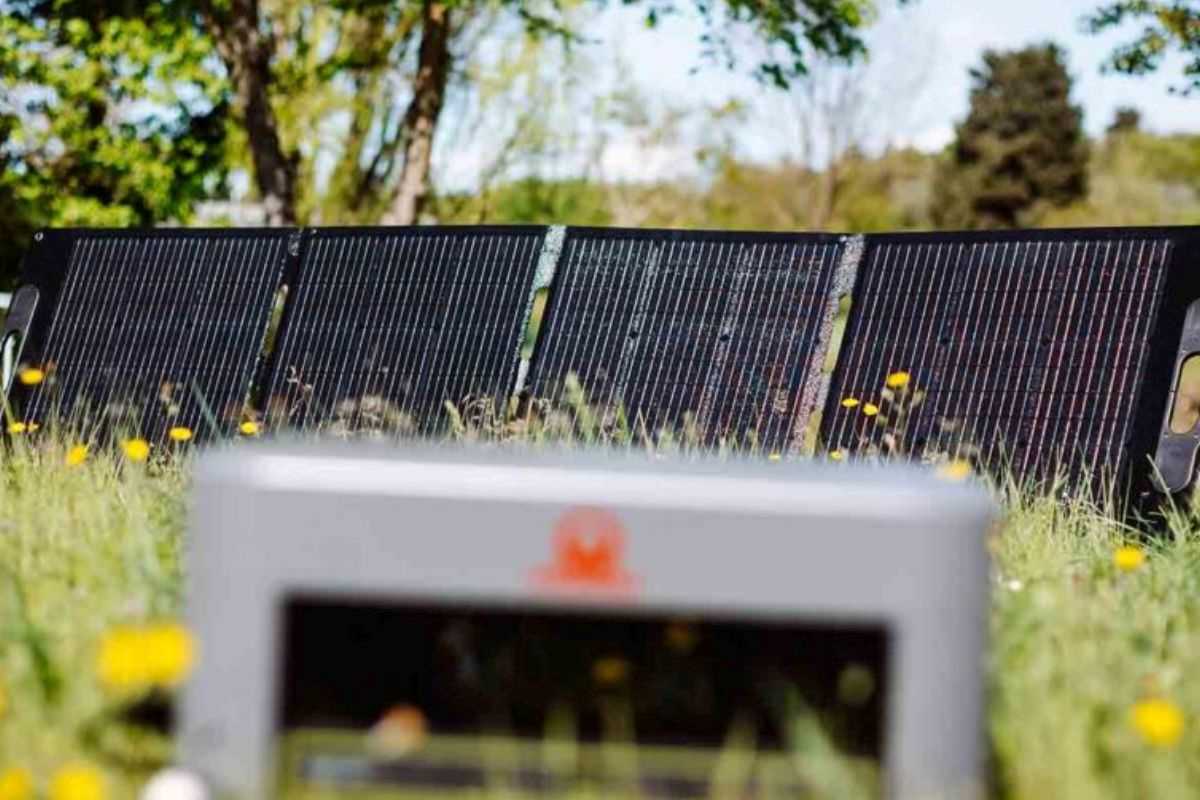
As long as they get enough sunlight, they can provide a steady supply of energy, making them an attractive option for homes, businesses, and off-grid living.
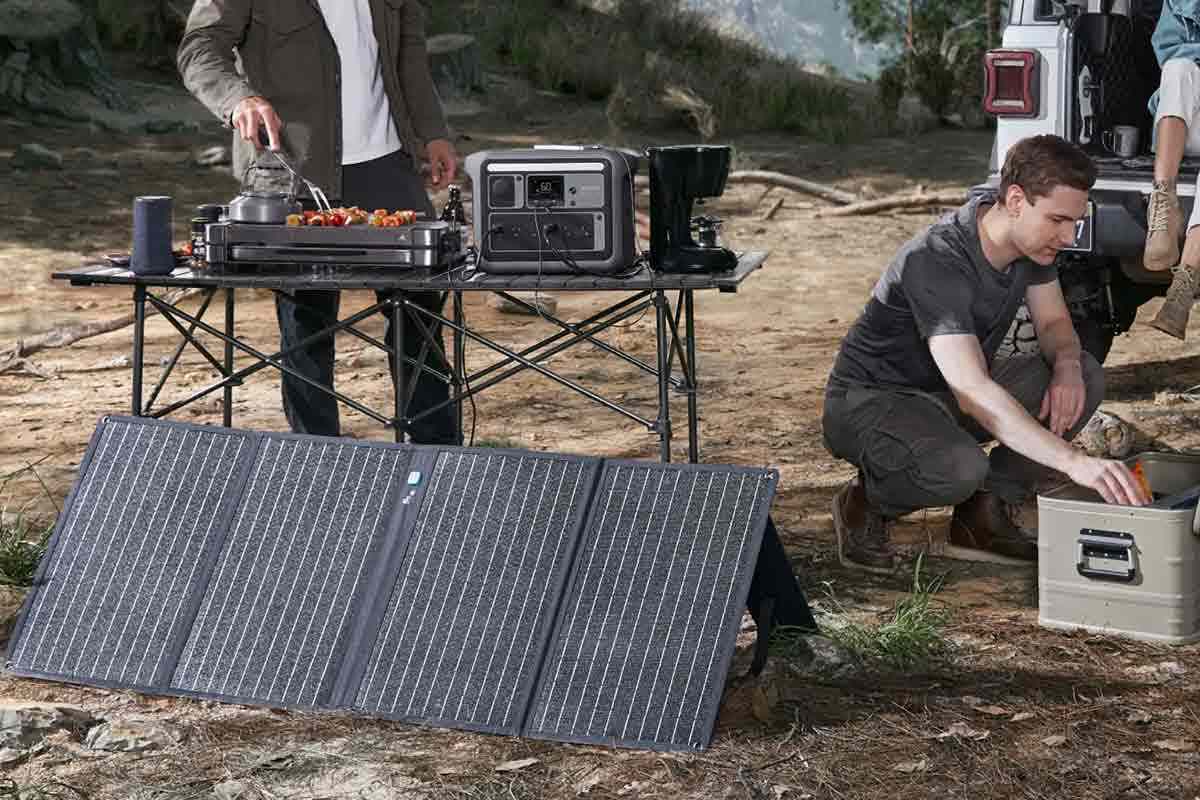
We stock a wide range of top-quality solar panels here at Generators Direct, including the Anker SOLIX 100W Foldable Solar Panel – ideal if you’re looking for a lightweight, portable solution that folds away neatly and keeps your essential devices powered wherever you are.
We also offer the Anker SOLIX 100W Foldable Solar Panel, a more powerful option that delivers excellent efficiency and faster charging times, perfect for anyone who needs reliable, high-capacity solar energy for trips, home backup, or independent power setups.
Efficiency and Performance Comparison
When you compare the efficiency and performance of thermoelectric generators (TEGs) and solar panels, the differences are quite noticeable, and they tend to shape which option is more practical in real-world use.
Efficiency of Solar Panels
When looking at efficiency, solar panels are significantly more efficient overall, typically converting between 15% and 23% of the sunlight they receive into electricity.
And while initially that might not sound like much, in the world of renewable energy, it’s actually quite impressive, especially considering that the “fuel” is completely free.
Modern panels are designed to perform well even in less-than-perfect conditions, such as cloudy days or indirect light, although bright, direct sunshine will always give you the best results.
Efficiency of a Thermoelectric Generator
TEGs, on the other hand, operate at much lower efficiency levels – usually somewhere around 5 to 8%. This means you need a relatively strong and steady heat source to generate a meaningful amount of electricity.
However, where TEGs shine is in their consistency. They don’t care if it’s dark, cloudy, raining or in the middle of winter; as long as one side of the device is hot and the other is cooler, they’ll keep producing power.
This makes them surprisingly reliable in environments where sunlight is unpredictable or in situations where heat is already being produced, such as from a stove, engine, or industrial process.
Performance of Solar Panels and Tegs
In terms of performance, solar panels offer far greater power output and scalability. You can expand a solar system simply by adding more panels, which isn’t really possible with most TEG setups.
However, solar is at the mercy of the weather and daylight hours. TEGs are limited in output but offer round-the-clock operation and incredible durability.
So, while solar panels win on raw efficiency and overall energy production, TEGs hold their own when it comes to stability and working in conditions where solar simply can’t perform.
This comparison analysis brings us nicely onto…
When Solar Panels Are Better
Solar panels tend to be the better choice in situations where you need dependable, large-scale, or long-term electricity generation. These situations might include…
- Long-term off-grid living – Solar is usually the backbone of off-grid living. Combined with a good battery bank, solar can support everything from lighting and refrigeration to tools and even small appliances. Panels can also be scaled up easily, so if you need more power, you simply add more panels or expand your system over time.
- If you’re an eco consumer – Solar is of course also a clean solution, meaning you’re not burning fuel or needing a constant heat source the way you would with a TEG.
- Large-scale energy production – Solar panels also shine when it comes to large-scale energy production. Once installed, it delivers a predictable and steady energy yield over many years with minimal maintenance, which is something TEGs simply can’t match due to their lower output and smaller application range.
- Back up systems with energy storage – Solar panels work brilliantly as part of a backup system when paired with battery storage. Excess energy generated during sunny hours can be stored and used later, giving you a reliable reserve of electricity in the event of a power cut. And while solar alone won’t help much during a night-time outage, a solar-plus-battery setup can keep essential circuits running smoothly.
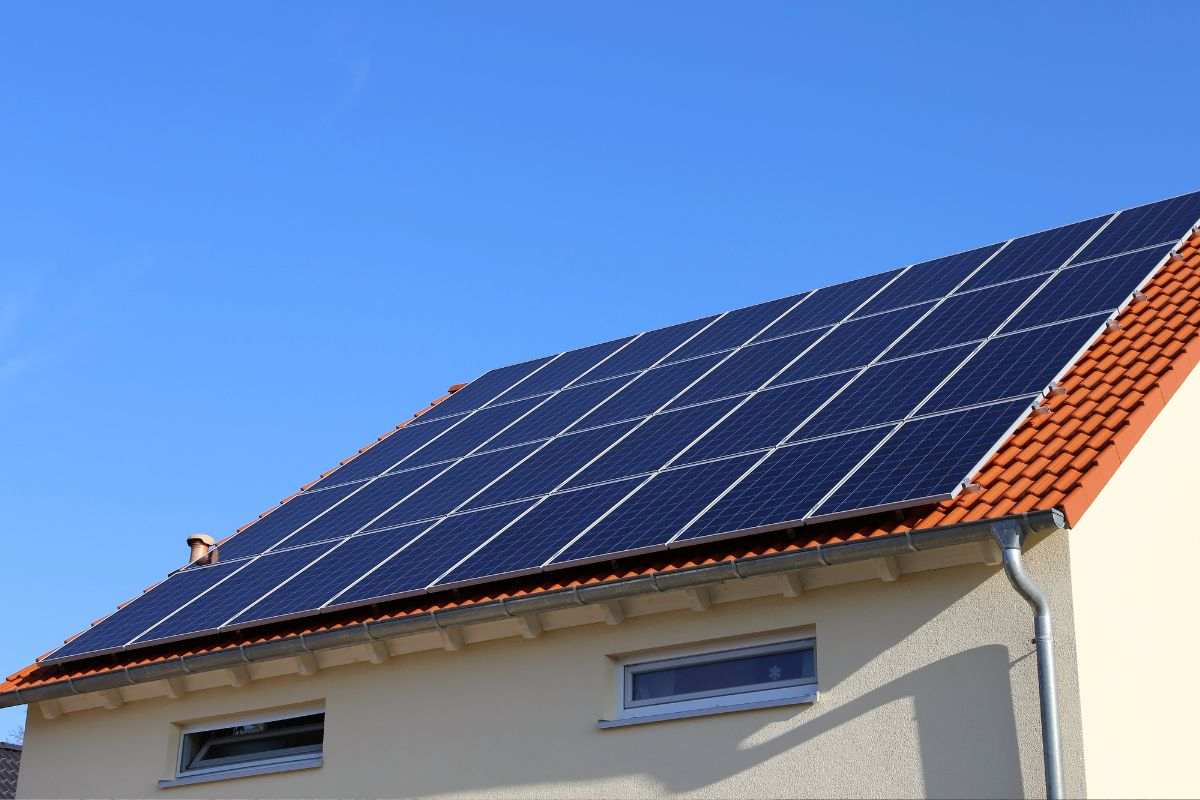
Solar panels are also incredibly popular for home installations, quietly generating power whenever the sun is out, helping to cut electricity bills and reduce reliance on the grid.
When a Thermoelectric Generator Is Better
A thermoelectric generator really comes into its own in situations where you have reliable access to heat but not necessarily to sunlight. For example:
When you’re camping – During these adventures you’re often using a campfire, wood stove, or portable burner anyway. A TEG can slot neatly into that setup, quietly producing power while you cook or keep warm.
In industrial settings – In these situations, TEGs can be used to recover “waste heat,” which is heat produced as a by-product of machinery or manufacturing processes. Rather than letting all that energy simply escape into the air, a TEG can capture a portion of it and convert it into electricity.
Emergency backup devices for households with wood-burning stoves – When properties face a power cut, solar panels might be useless at night or during a storm, but a thermoelectric generator can quietly provide enough electricity to charge essential items or keep small electronics running.
How We Can Help
At Generators Direct, we offer a range of generators, solar panels, power stations and power banks for your specific needs.
Our products are manufactured, tested and certified to industry standards, and come with a price promise – you won’t find prices cheaper anywhere on the web, but if you do, we’ll match them. In addition to this, all orders come with free mainland UK shipping and after sales support from our experts.
If you require additional advice or have a question for our team, don’t hesitate to get in contact with us using this form or via phone at +441639849847. We’d be more than happy to assist you.
Related articles
-
 May 13th 2025
The Ultimate Guide to Surface Cleaners for Pressure Washers
-
August 5th 2025
What Is a Cement Mixer? Your Complete Buying Guide
-
March 28th 2025
Inverter Generators vs. Traditional Generators: What You Need to Know
-
February 19th 2025
The Different Types of Portable Heaters: A Comprehensive Guide
-
January 31st 2025
The Best Generator for Farm Use: Your Buying Guide










Be the first to know the latest industry news and offers