The Ultimate Guide to Suitcase Generators
September 4, 2026 | Nate Cord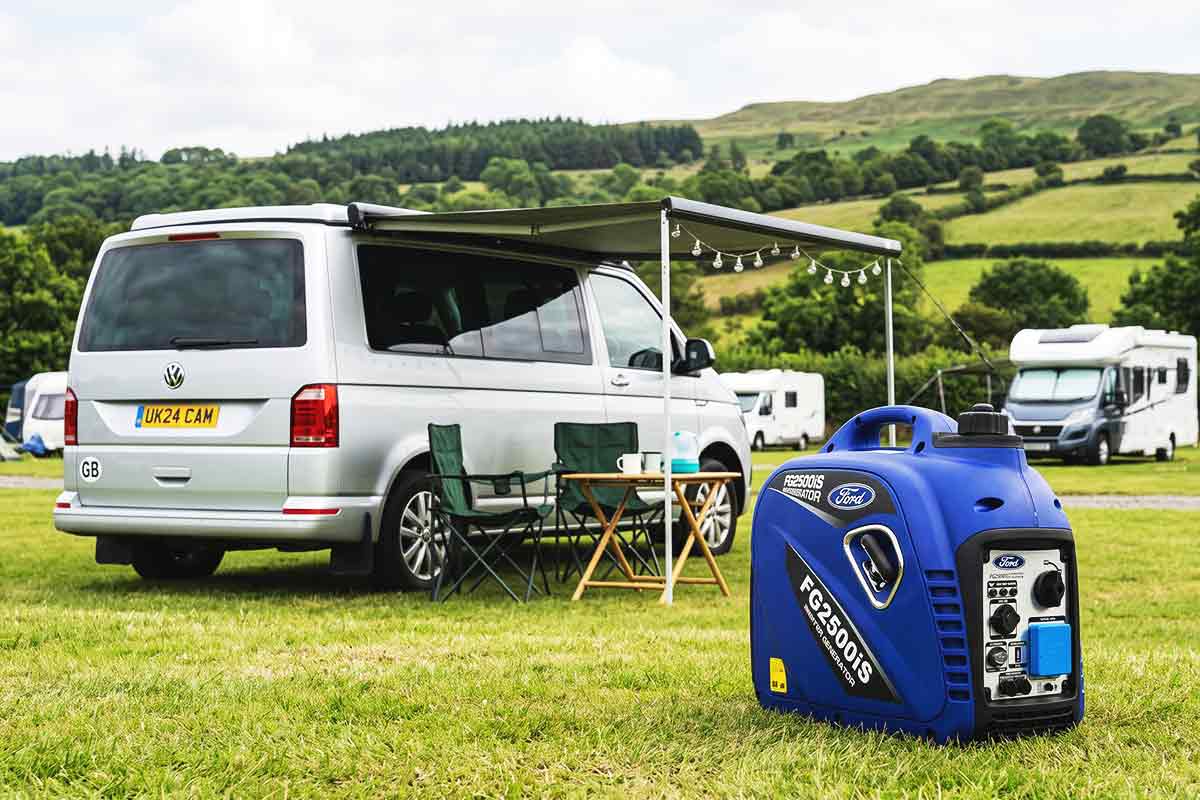
If you find yourself in need of power and you can’t reach the main supply, whether on a campsite, at an outdoor event or to provide temporary power to individual appliances during an outage, a suitcase generator is one of the most practical solutions available.
Compact, self-contained, and built around inverter technology, they deliver clean, stable electricity without the bulk or noise of a traditional generator. Whether you are keeping a caravan powered over a long weekend or need a reliable backup for camping trips, a suitcase generator is a versatile choice.
In this guide, we cover what a suitcase generator is, how loud you should expect it to be, and the safety considerations worth knowing before buying.
What is a Suitcase Generator?
A suitcase generator is a self-contained portable generator built inside an enclosed casing, named after the carry-handle design that makes it easy to pick up and take wherever you need power. Unlike open-frame generators, which leave the engine and components exposed, a suitcase generator houses everything within a moulded shell.
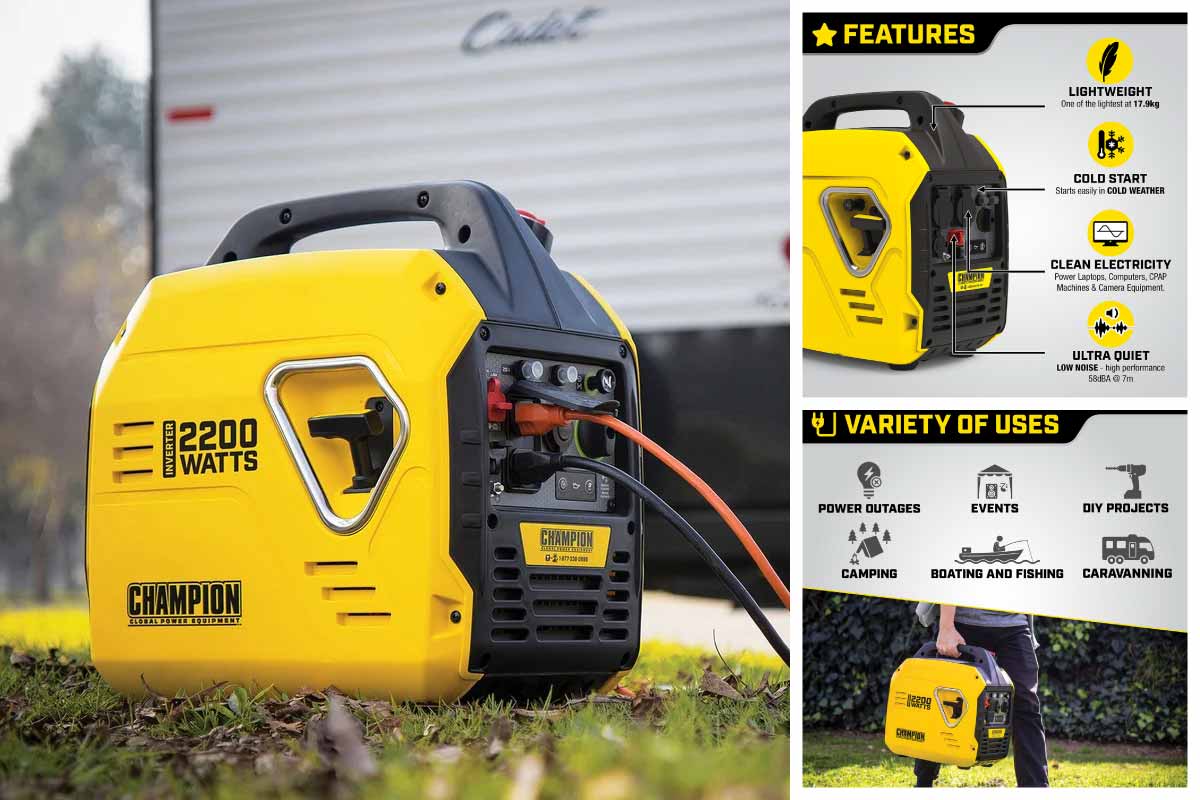
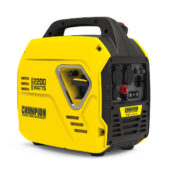
Champion 92001i 1.90 KW Inverter Suitcase Petrol Generator – A mid-level power model
This enclosed design dampens noise and protects the internal components from dust and reduces the noise level. Most models are inverter generators, meaning that they generate DC power and convert it to AC, producing cleaner electrical output suitable for sensitive electronic devices, such as laptops, televisions, phone chargers and other low-power electronics, subject to the manufacturer’s specifications.
Suitcase generators are most commonly used for camping, caravanning, motorhomes, outdoor leisure, fishing, festivals and other recreational uses where temporary portable power is required. They are a practical option for both consumers who need a reliable and portable power source.
How Much Does a Suitcase Generator Weigh?
Weight is an important practical question when choosing a generator, and the suitcase generator is purpose-built for portability. Compact suitcase generators can weigh from around 10–25 kg, while higher-output enclosed inverter generators may weigh 30–45 kg or more. Always check the dry weight of the individual model before purchasing.
A smaller 1-2 kW generator will sit towards the lighter end of the range, whereas a more powerful 3-4 kW generator will push towards the upper limit. Most models have a single carry handle or a wheeled frame to help with transport, and some of the lighter units can be managed by one person.
If you are planning to bring a generator with you to a campsite or event, it is worth checking the product specifications for the exact dry weight before purchasing.
How Loud is a Suitcase Generator?
Reduced noise is one of the biggest advantages of a suitcase generator. Suitcase and inverter generators are fully enclosed with sound-dampening material, which keeps engine noise contained and the enclosed design of many suitcase inverter generators can help reduce operating noise compared with conventional open-frame models.
In general, 50-60 decibels is considered quiet for a generator, while 70-90 decibels is more typical for portable models. To put that in everyday terms, an inverter-type generator operating at 50-60 dB is roughly equivalent to moderate rainfall or a normal conversation.
The other reason inverter generators tend to be quieter is their eco mode button, that will vary engine speed. Rather than running at a constant speed, an inverter generator can adjust its speed to match the power needed. When you are only using a small amount of power, the engine throttles back and runs more quietly.
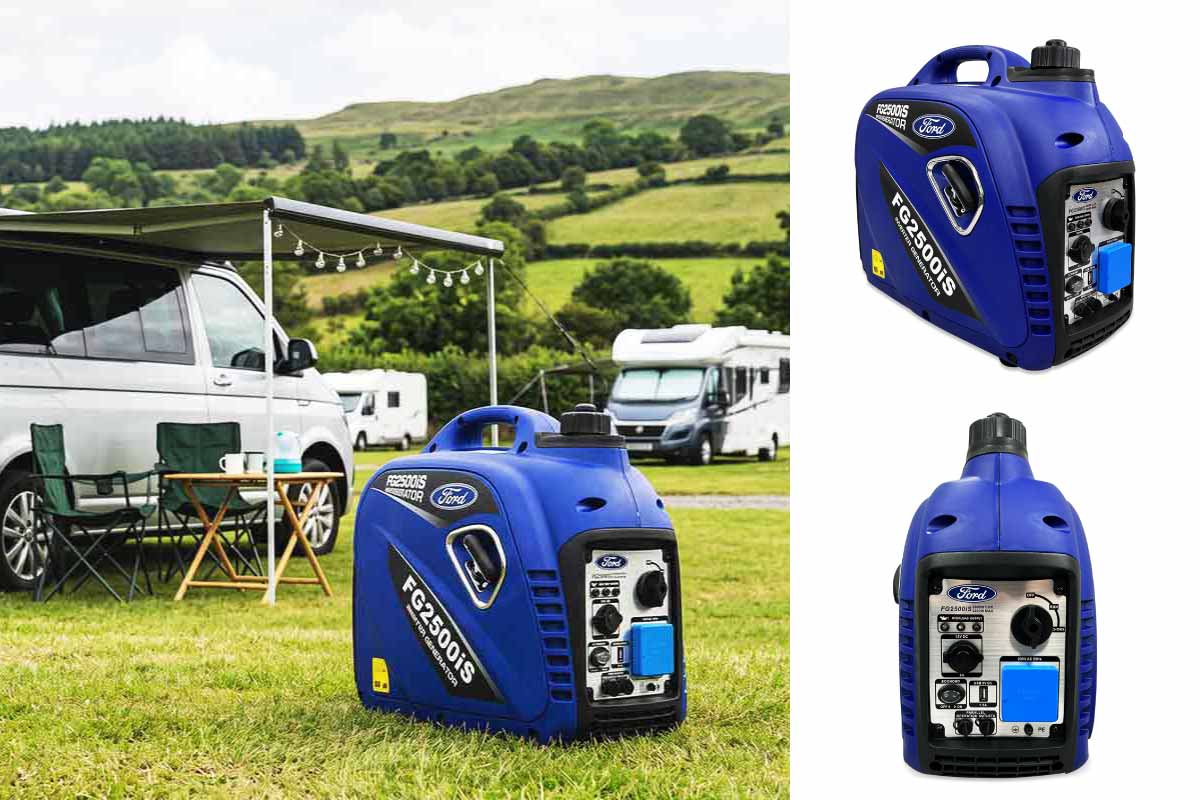
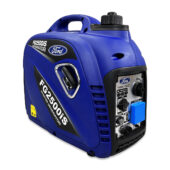
Ford FG2500iS Petrol Inverter Suitcase Generator – A low-level power model – 2kW capacity
Under 65dB is a reasonable threshold for a generator that won’t interrupt a normal conversation at a distance. A casual conversation is considered to be around 70 dB, a safe volume level for our ears.
It is worth noting that noise levels generally increase as electrical load increases because the engine needs to work harder. Always compare manufacturers’ stated noise figures, paying particular attention to the load and distance at which the measurement was taken. If noise level is a concern, the specification sheet is the best point of reference.
How to Use a Suitcase Generator Safely
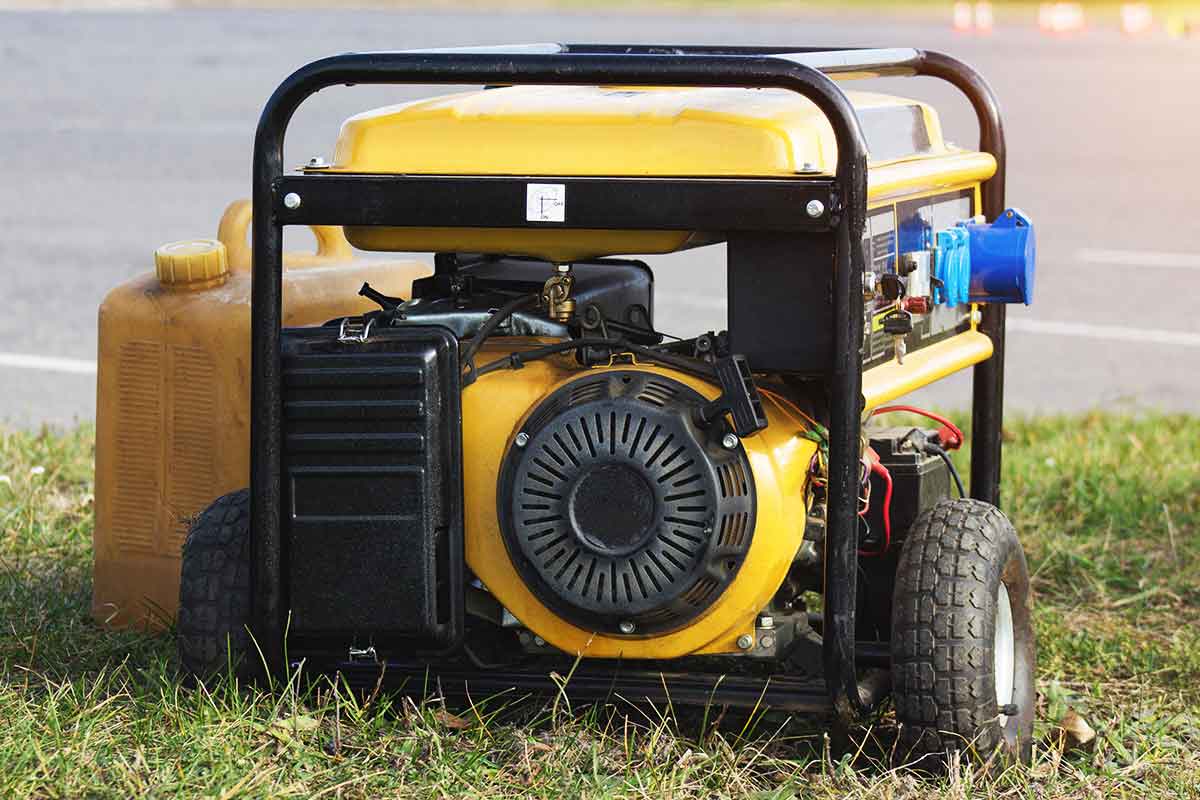
The primary hazards to be aware of when operating any generator are carbon monoxide poisoning from the engine’s exhaust, followed by electric shock and fire. Following the manufacturer’s instructions is always the best course of action, but some additional safety rules will help keep all three risks under control.
Ventilation is the most critical rule. Generators must be kept outdoors, away from doors, windows, and vents. Even opening windows and using fans will not prevent carbon monoxide from building up indoors. Positioning a generator at least 6 to 7 meters from any building is recommended.
Carbon monoxide is colourless and odourless and can lead to rapid incapacitation. CO alarms should be installed on every level of the home or building when a generator is nearby.
Here are a few additional best practices:
- Keep the generator dry – operate it on a dry surface under an open canopy-like structure, and never touch it with wet hands.
- Always turn the generator off and allow it to cool before refuelling – petrol spilled on a hot engine can ignite.
- Plug appliances directly into the generator – or use a heavy-duty, outdoor-rated extension cord rated at least equal to the total load of connected appliances.
- Never plug a generator into a wall socket – this is known as backfeeding, which creates a serious risk of electrocution for utility workers and neighbours.
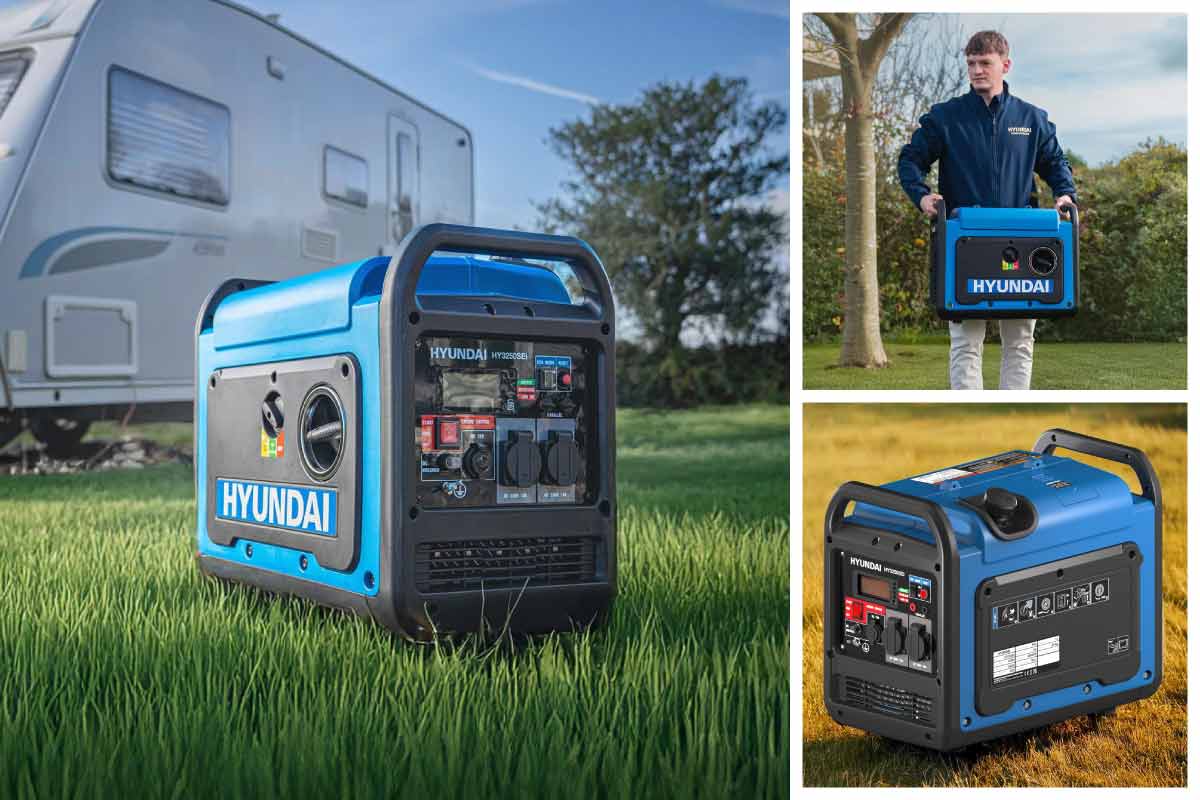
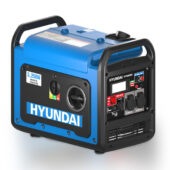
Hyundai HY3250SEi Petrol Inverter Suitcase Generator Electric Start – A high-level model – 3.2kW capacity
Power, Wherever You Need It
Suitcase generators strike a balance between portability, low noise levels, and delivering clean power, from a camping setup to caravanning, motorhomes and outdoor leisure use. Understanding what to look for – weight, noise, fuel type, and power rating means you can match the right generator to your specific needs rather than buying on guesswork.
Like any fuel-powered equipment, a suitcase generator is perfectly safe when used correctly. Ensure it is kept outdoors, at a distance from buildings, let it cool before refuelling, and use CO alarms nearby. Following these basic rules and using a suitcase generator should not present any more risk than other pieces of outdoor equipment.
If you are ready to choose, browse our full range of camping and caravan generators, or get in touch with our expert team for additional advice on finding the right model for your needs.
Related articles









Be the first to know the latest industry news and offers