Do I Need An Inverter Generator?
November 5, 2025 | Nate Cord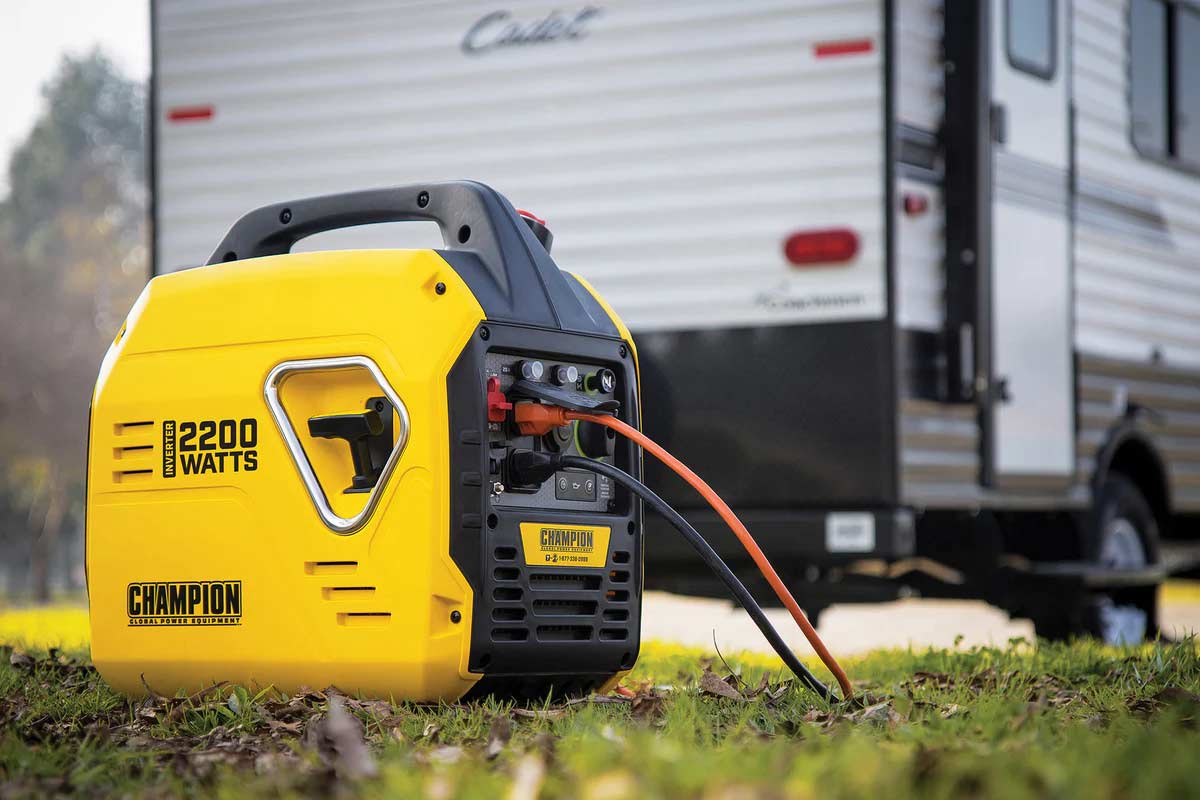
Whether it’s keeping essential appliances running during a power outage or bringing reliable electricity on a camping trip or RV adventure, having portable power you can count on makes life easier.
This raises an important question for many: Do I need an inverter generator, or would another solution be a better fit?
Unlike conventional generators that run at high speed, inverter generators automatically adjust their output to meet demand. This makes them quieter, fuel-efficient, and capable of producing clean, stable electricity that’s perfect for a range of applications.
We’ll explore whether an inverter generator could be the right fit for your needs, below.
Factors to Consider Before Choosing an Inverter Generator
Since not every home or outdoor situation calls for an inverter generator, it’s essential to assess your specific needs before making a purchase.
Here are some key factors to help determine if an inverter generator is the right choice for you:
1. Do You Need a Reliable Power Source?
If keeping your home running smoothly during a power outage is a priority, an inverter generator is a smart choice.
What sets inverter generators apart is their ability to produce clean, stable power. They provide a steady, reliable flow of electricity capable of powering essential appliances, like refrigerators, air conditioners, lighting, and medical devices, without interruption.
Modern electronics rely on delicate components such as microprocessors, digital chips, and circuit boards, all of which can be damaged by power spikes or inconsistent electricity. Inverter generators use advanced technology that minimises harmonic distortion to maintain a smooth, continuous output.
In addition to protecting your electronics, inverter generators are designed to be energy-efficient. They adjust engine speed automatically to match the power demand, reducing fuel consumption and emissions while extending runtime.
This combination of reliable power, protection for sensitive equipment, and fuel efficiency makes inverter generators a versatile solution for both emergency preparedness and everyday use.

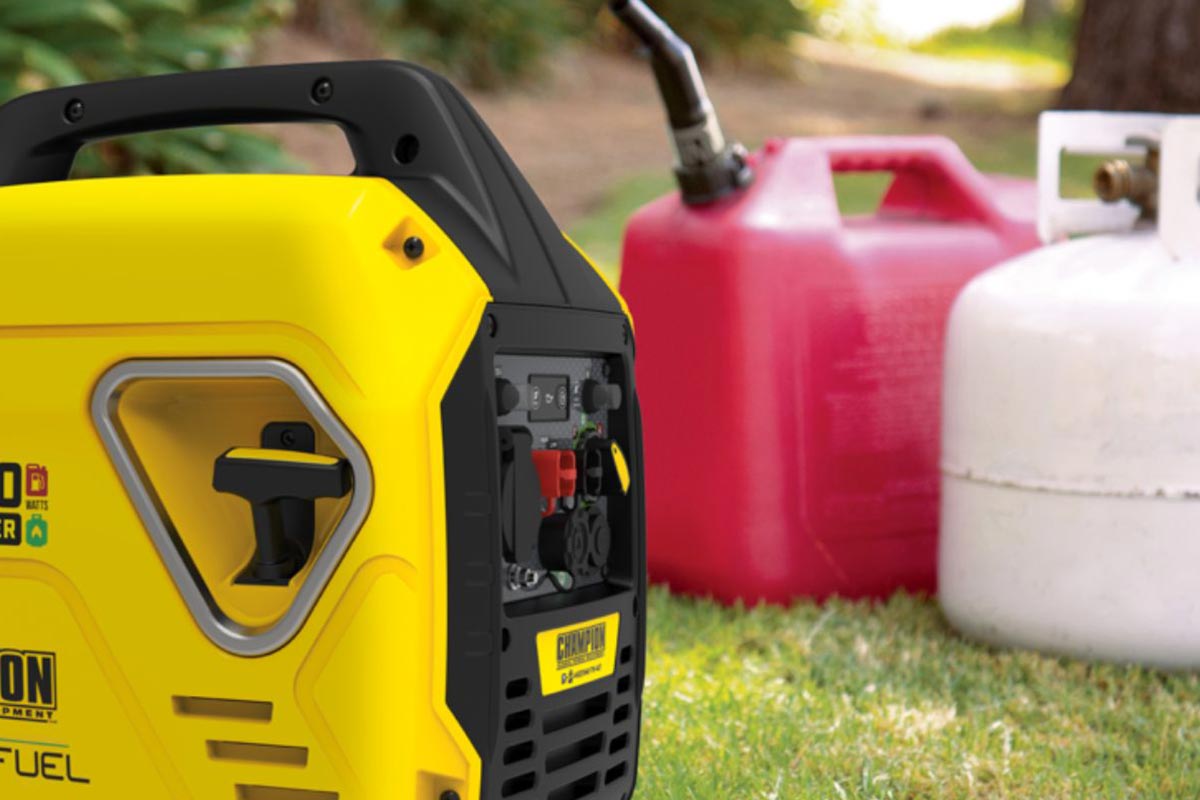
Inverters provide a steady, reliable flow of electricity capable of powering essential appliances without interruption.
2. Is Portability Important?
Generators are rarely permanent fixtures in the home; they’re designed to be used when and where you need them. This makes portability a key factor to consider, especially if you plan to move your generator between locations or store it when not in use.
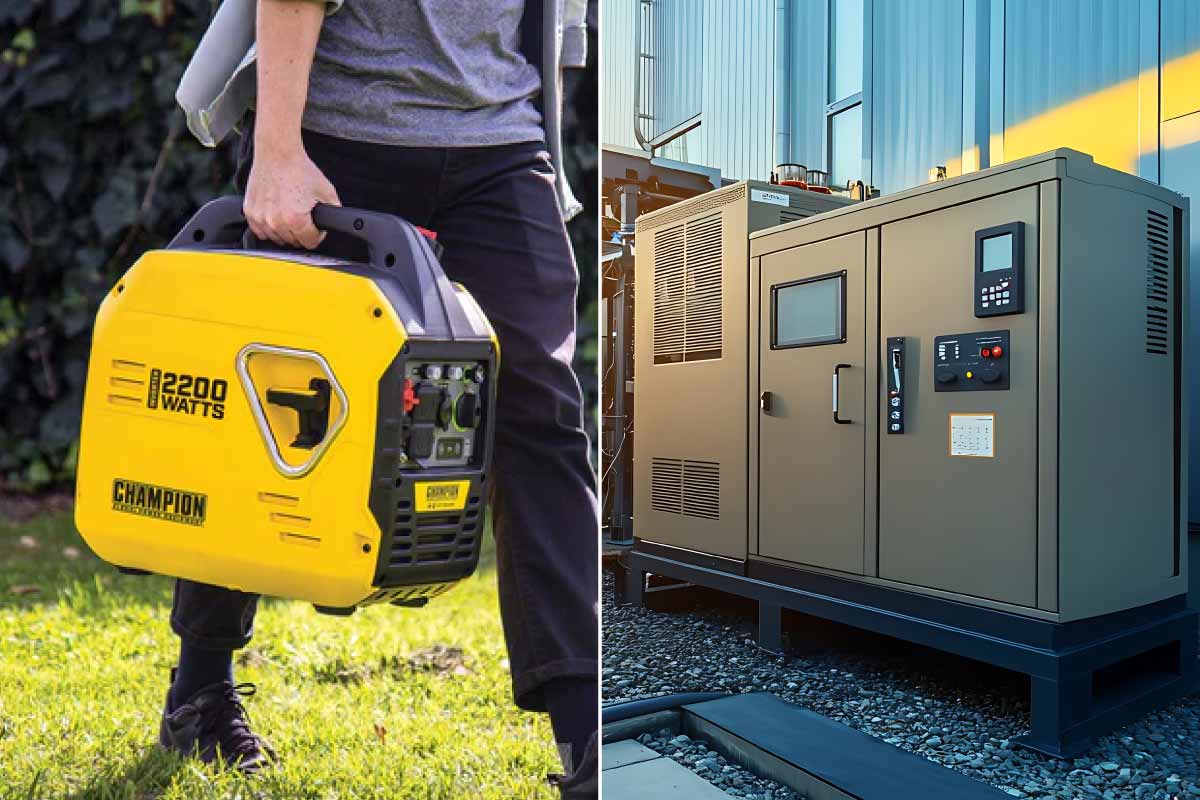
Inverter generators are known for their compact, lightweight design, making them far easier to transport than traditional fuel-powered models of the same output.
Smaller fuel tanks help keep overall weight down without sacrificing efficiency, and many models, like the Senci SC2300i-O Petrol Inverter Generator with Yamaha Engine, include handles and wheels for effortless movement.
That said, inverter generators are still heavier than battery-based alternatives like solar generators or portable power stations, which offer a silent, gas-free power solution with no engine weight.
If you need an ultra-lightweight option for indoor use or frequent travel, a battery-powered solution may be more suitable.
3. How Quiet Does Your Generator Need to Be?
One of the biggest advantages of an inverter generator is how quietly it operates. Traditional generators can be loud and disruptive, but inverter generators are designed to minimise noise, making them ideal for home use, outdoor activities, and camping trips.
With a quieter generator, you can power your appliances, electronics, and recreational devices without disturbing your family, neighbours, or fellow campers.
This quiet performance comes from thoughtful design and high-quality components. By running at lower speeds, reducing friction, and using sound-absorbing materials, inverter generators operate smoothly and steadily.
The result is a more enjoyable power experience. While not completely silent, an inverter generator is noticeably quieter than standard models, allowing you to focus on your activities without the constant hum associated with traditional generators.
If complete silence is necessary in noise-sensitive situations, silent generators or battery-powered portable power stations provide a near-noiseless alternative. Keep in mind that these may have a lower output or shorter runtime compared to fuel-powered inverter generators.
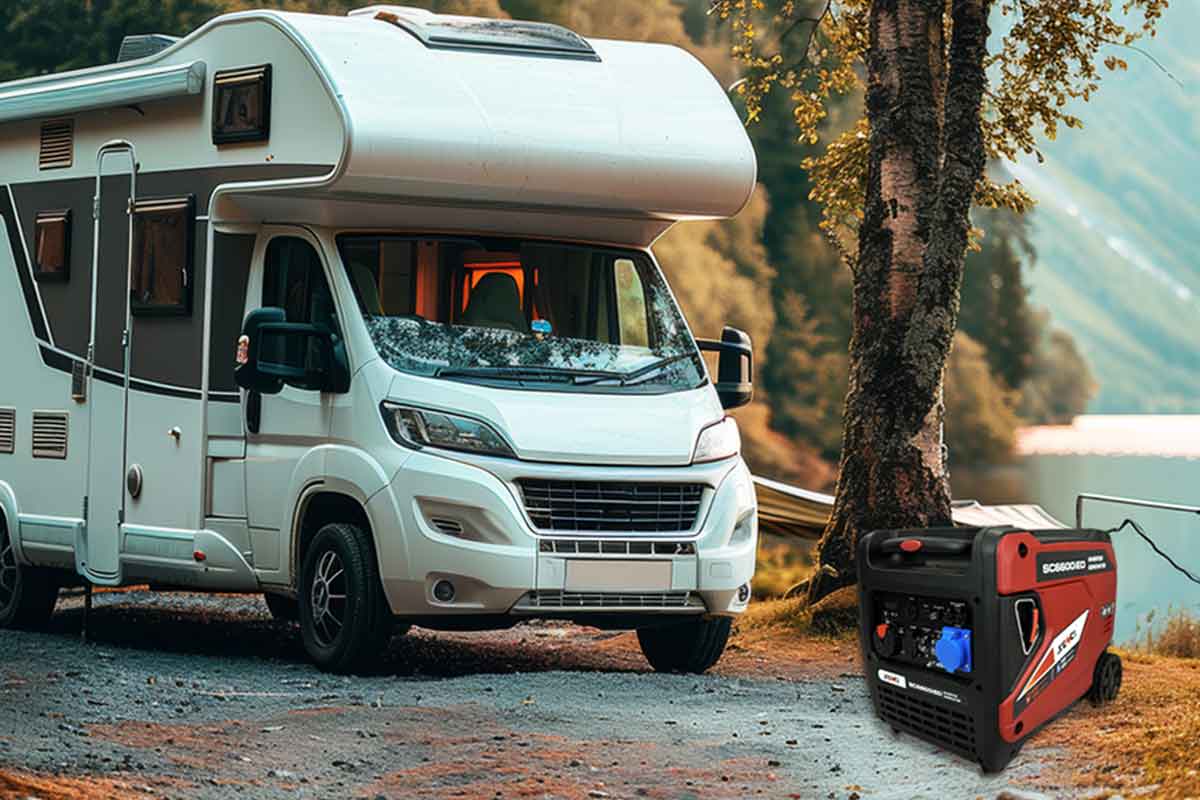
Inverter generators are designed to run with reduced vibrations that minimise noise.
4. Are You Planning to Use Your Generator Indoors?
In addition to noise levels, it’s also essential to consider where the generator will be used, especially indoors versus outdoors.
Fuel-powered generators emit fumes such as carbon monoxide (CO), a colourless, odourless gas that can be deadly, even in small amounts.
Because of these risks, the Health and Safety Executive (HSE) advises against using petrol-powered equipment indoors or in enclosed spaces.
For safety, inverter generators should always be operated outdoors, in well-ventilated areas, and kept away from windows, doors, and vents.
If you need a generator for indoor use, or a situation where fumes are a concern, a portable power station, which runs on batteries, is a safer alternative. These produce zero emissions and can be used safely inside, making them ideal for mobile, quiet, or indoor power needs.
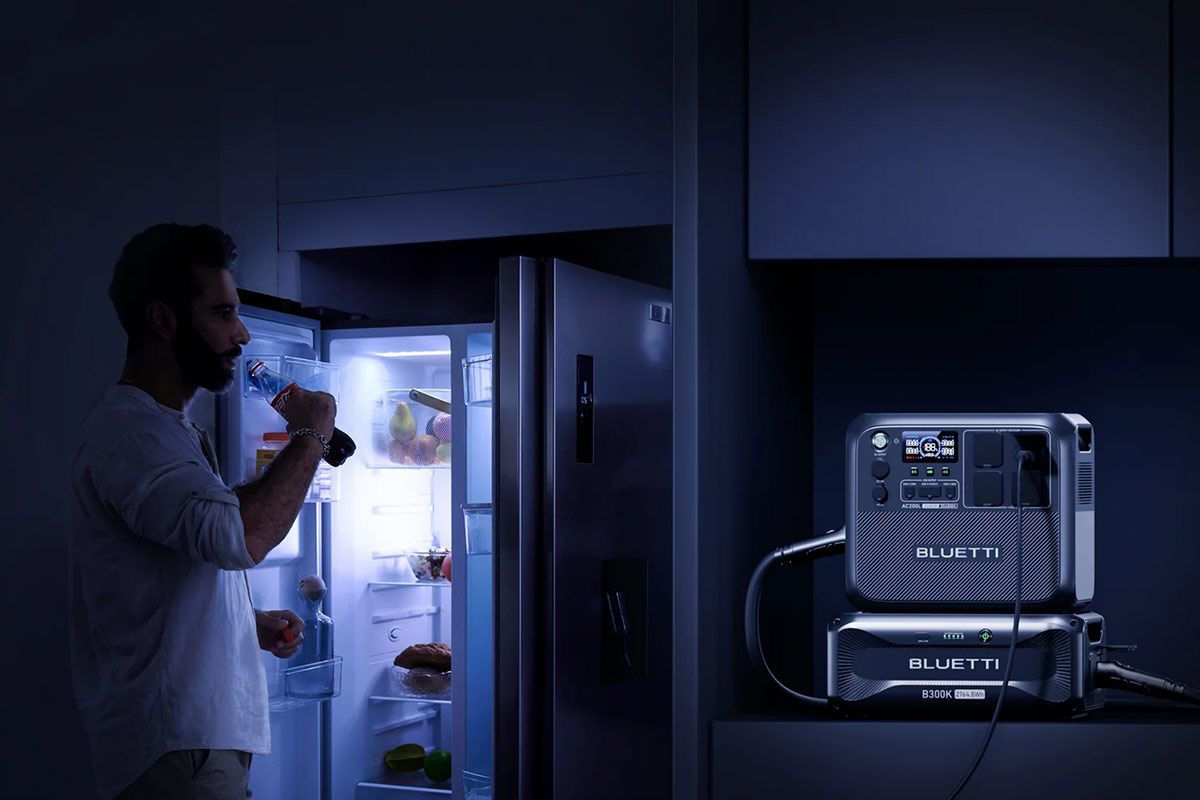
If you need a generator for indoor use, a portable power station, which runs on batteries, is a safer alternative
5. Safety Features to Consider
Many inverter generators are designed with safety in mind. Modern models deliver clean, stable electricity and come with built-in safety mechanisms to protect users and devices.
For example, many inverter generators, like the Champion 500987-UK Petrol Inverter Generator, feature low-oil shutdown sensors. These automatically stop the engine if oil levels drop too low, preventing damage.
Overload protection and circuit breakers help avoid electrical hazards by cutting power when the load exceeds safe limits, while other units include advanced cooling systems, keeping the generator at a safe operating temperature, even during extended use.
Additionally, the clean sine wave output reduces the risk of power surges or voltage fluctuations that could harm sensitive electronics or create unsafe conditions.
While proper handling and awareness of basic safety practices are always essential, the combined safety features can give you peace of mind whenever you’re using your inverter.
Should I Get An Inverter Generator?
Inverter generators offer a compelling combination of dependable power, fuel efficiency, and protection for sensitive electronics.
They are ideal for keeping essential appliances running during power outages, providing electricity for outdoor activities, and supporting off-grid adventures. However, they are fuel-powered, emit carbon monoxide, and should always be used outdoors in well-ventilated areas.
Though they are lighter than traditional generators, they are heavier than battery-powered alternatives. If indoor use or extreme portability is a priority, a portable power station or solar generators without a tank may be a better fit.
Ultimately, whether an inverter generator is the right choice depends on your specific power needs and the environments in which you’ll use it. Weighing factors like portability, fuel efficiency, and safety will help you decide whether an inverter generator meets your specific needs.
How Can We Help
At Generators Direct, we offer a wide selection of inverter generators and other power solutions, all tested and certified to meet strict industry standards.
Every order comes with free mainland UK delivery and ongoing after-sales support to ensure your generator performs exactly as you need it.
If you’re unsure which type of generator will best suit your needs, our team of experts is here to help. Get in touch via our contact form, or call us directly at +44 1639 849847 for personalised advice.
Related articles
-
 July 9th 2026
Are Hyundai Diesel Generators Any Good? UK Buyer’s Guide
-
August 30th 2024
Is It Worth Getting a Dual Fuel Generator?
-
August 13th 2024
What Is the Best Backup Generator for Home Use?
-
May 10th 2024
Pressure Washer Buying Guide
-
March 28th 2025
Inverter Generators vs. Traditional Generators: What You Need to Know









Be the first to know the latest industry news and offers