What Is an LPG Generator? Advantages and How It Compares to Petrol
May 8, 2026 | Nate Cord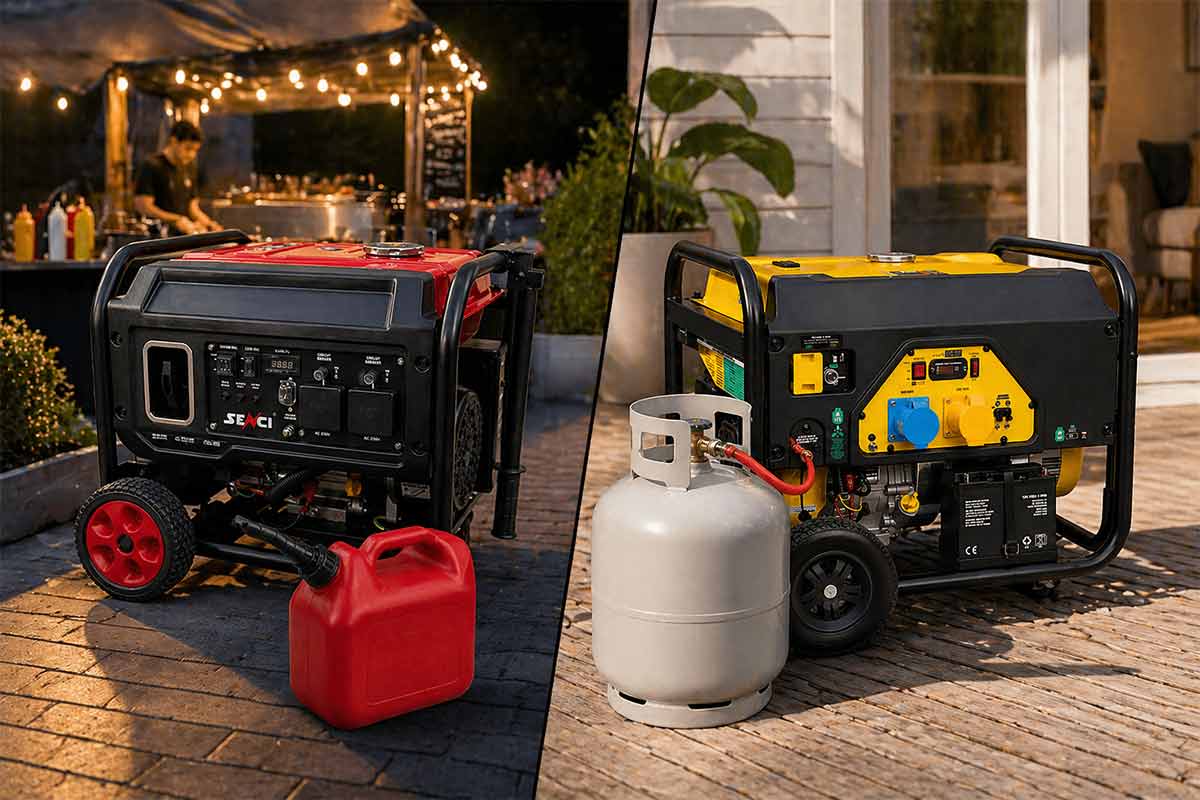
If you need reliable power, choosing the right fuel type matters. While petrol generators remain common, LPG generators are becoming increasingly popular due to lower running costs, cleaner performance, and long-term fuel storage benefits. In this guide, we explain what an LPG generator is, how it works, and whether LPG is better than petrol for your needs.
As a result, many people are exploring different generator fuel options to ensure they have dependable power when it’s needed most. Generators are often associated with petrol or diesel, but LPG generators are becoming an increasingly popular alternative.
So, what is an LPG generator?
How Does an LPG Generator Work?
Put simply, an LPG generator runs on liquefied petroleum gas (LPG), a fuel typically made up of propane and butane that is stored in pressurised cylinders. The fuel produces the mechanical energy required to generate electricity when it is released and ignites inside the generator’s engine. Most LPG generators use the same core engine design as petrol models but with fuel system modifications.
Because LPG can be stored and transported relatively easily, these generators are often used in situations where access to mains electricity is limited or unavailable.
In this guide, we will explore the key advantages of LPG generators and how they compare with traditional petrol generators.
Advantages of LPG Generators
LPG generators offer several practical benefits that make them an attractive option for backup power and outdoor use.
Fuel Storage and Stability
One of the biggest advantages of LPG is its long storage life, particularly when compared with petrol. Petrol can begin to degrade after only a few months in storage.
Over time, the fuel can break down and form deposits that may clog carburettors and fuel systems, potentially leading to starting problems if a generator has been left unused for extended periods.
LPG (liquefied petroleum gas) is primarily made up of propane and butane. Propane, one of its main components, is highly chemically stable and is often described as having an indefinite shelf life because its composition does not break down during storage.
As a result, LPG remains stable for extended periods when stored in a sealed cylinder. This means a generator can remain unused for months or even years without the fuel deteriorating.
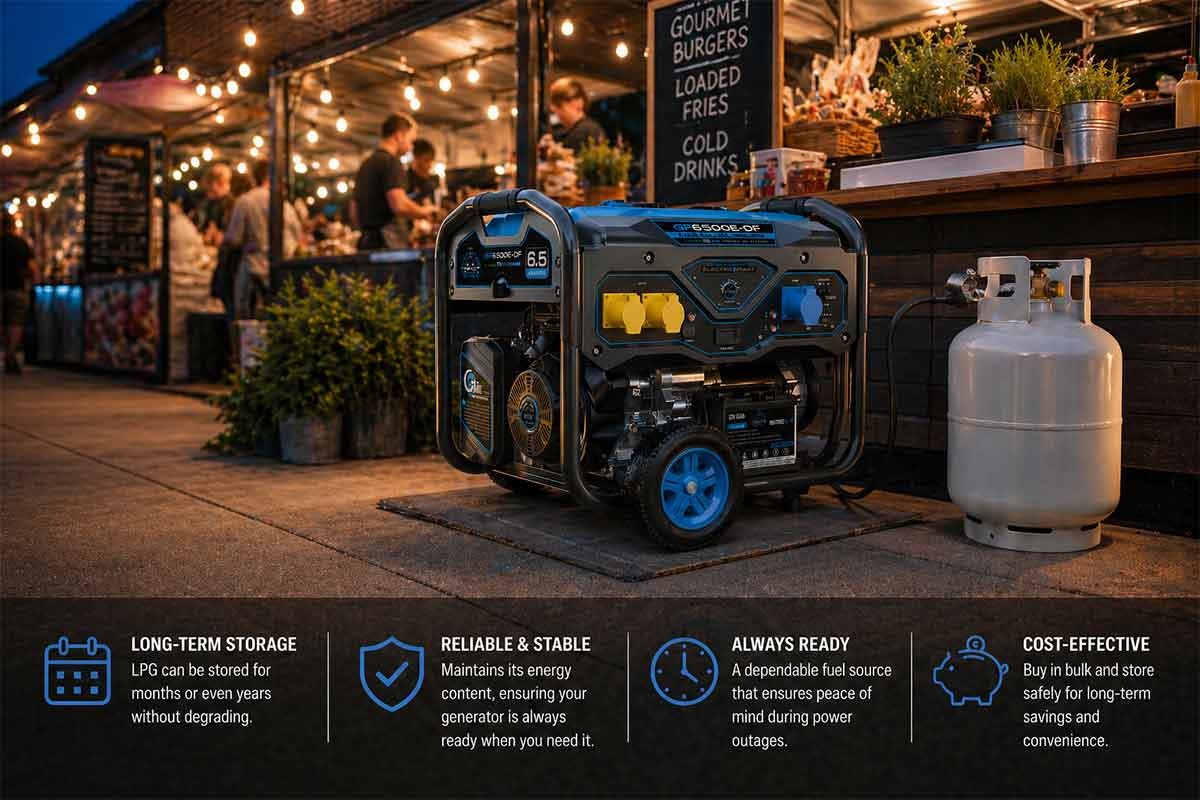
LPG can be stored for long periods without degrading, making it a reliable fuel option for standby generators.
Running Costs
In the UK, LPG (liquefied petroleum gas) is typically much cheaper per litre than petrol. LPG often costs around 60–70p per litre, while unleaded petrol is commonly priced at £1.40 or more.
While LPG is cheaper, it does contain slightly less energy per litre than petrol. This means generators may use around 15–20% more LPG to produce the same amount of power.
Example: If a petrol generator costs £14 to run for 10 hours, an equivalent LPG generator may cost closer to £9–£10 depending on load and local fuel prices.
Even so, the lower fuel price can still translate into noticeable savings over time. For generators that are used regularly, LPG can reduce overall fuel costs by around 30–40% compared with petrol, depending on generator efficiency and local fuel prices.
For homeowners, businesses, or event organisers who rely on generators frequently, these savings can quickly add up over the course of a year.
Cleaner Engine Performance
LPG combustion is generally cleaner than petrol, producing fewer particulates and residues during the combustion process. Because LPG burns more completely, it typically leads to less carbon buildup inside the engine.
LPG also has a higher hydrogen-to-carbon ratio, which means propane-based fuels tend to leave less residue behind during combustion. This can help keep internal engine components cleaner over time.
For generator owners, this means the generator runs more smoothly and delivers more consistent performance. With fewer deposits building up inside the engine, the fuel helps keep components such as spark plugs and valves cleaner for longer. This can reduce wear and maintain efficient operation.
Reduced Environmental Impact
When used as a fuel source, LPG can produce lower emissions of substances such as carbon monoxide, nitrogen oxides, and particulate matter compared with petrol-powered generators.
In fact, research comparing LPG and petrol combustion has shown that carbon monoxide emissions can decrease by around 11.5% when LPG is used instead of petrol.
Organisations and individuals aiming to reduce the environmental impact of temporary power generation may consider LPG as a lower-emission option. Outdoor events, worksites, and backup power systems can all benefit from fuels that produce fewer emissions.
Although LPG generators still generate emissions like any combustion-powered equipment, they are often viewed as a cleaner alternative that can help lower the overall environmental impact of generator use.
| Feature | LPG Generator | Petrol Generator |
|---|---|---|
| Fuel Shelf Life | Excellent | Poor |
| Running Costs | Lower | Higher |
| Portability | Moderate | Excellent |
| Cleaner Emissions | Better | Worse |
| Cold Weather Performance | Moderate | Better |
| Best For | Backup / Long Use | Portable / Occasional |
Disadvantages of LPG Generators
Potential Downsides of LPG Generators
- Requires gas bottles or fixed LPG supply
- Cylinders can be bulky and heavy
- Slightly lower power output than petrol in some models
- Can struggle in freezing temperatures
- Fewer refuelling points than petrol in some areas
Situations Where LPG Generators Work Best
LPG generators offer several advantages, but they are particularly well-suited to situations where fuel stability, longer run times, or an existing LPG supply are important.
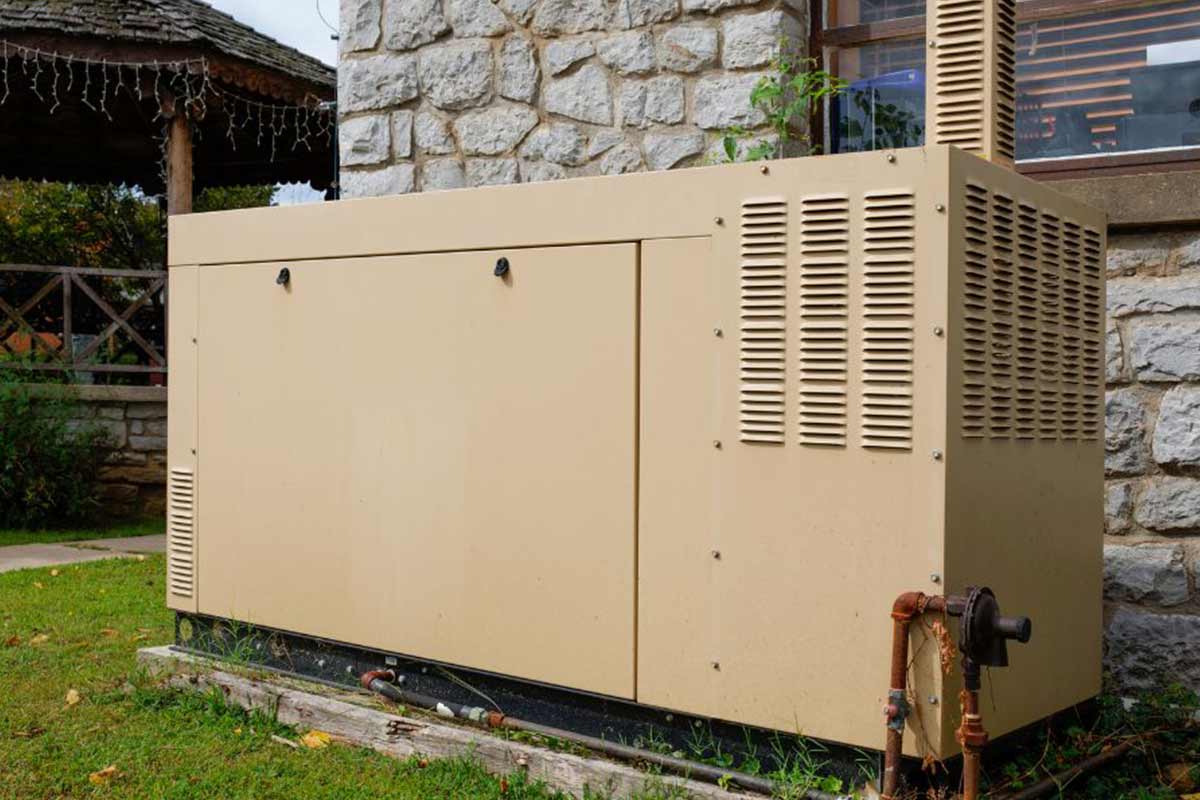
Backup and Standby Power
LPG generators work well for backup power systems. Because LPG does not degrade in storage like petrol, generators can remain unused for long periods and still start reliably when a power outage occurs.
This makes them a practical option for homes, farms, and businesses that depend on emergency power.
Properties with an Existing LPG Supply
If a property already uses LPG for heating or cooking, an LPG generator can simplify fuel management by allowing multiple systems to run from the same supply.
This can be particularly useful for rural homes, agricultural buildings, off-grid properties, and remote accommodation.
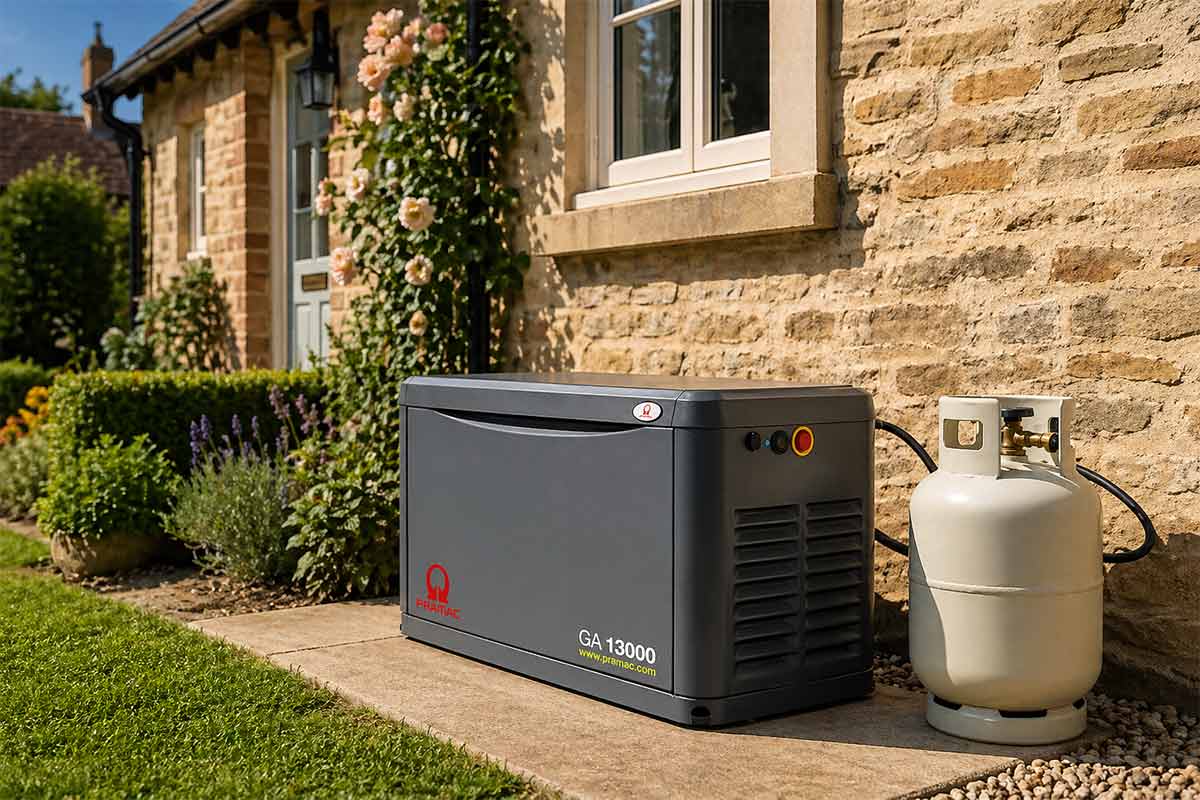
LPG generators work well for properties that already use LPG, allowing multiple systems to share the same fuel supply.
Longer Running Applications
Users running generators for extended periods may benefit from LPG’s lower fuel cost.
As LPG is often cheaper per litre than petrol, it can reduce operating expenses in applications such as events, worksites, or mobile businesses.
Situations Where Petrol Generators Work Best
While LPG generators work well in many situations, petrol generators can still be the more practical option depending on how and where the generator will be used.
Portable Power
Petrol generators are typically easier to transport because they do not rely on heavy gas cylinders.
This makes them a practical option for camping, leisure activities, or powering equipment in remote locations.
Occasional Use
Users who only need a generator occasionally or for short tasks often prefer petrol models. These generators require minimal setup and can be refuelled quickly when needed.
Low Temperatures
LPG must vaporise before it can supply fuel to the engine, and extremely low temperatures can reduce gas pressure. Petrol generators often deliver more consistent performance in colder climates.
LPG generators suit backup and long-run applications, while petrol generators are better for portable and periodic use.
Popular LPG products and their uses
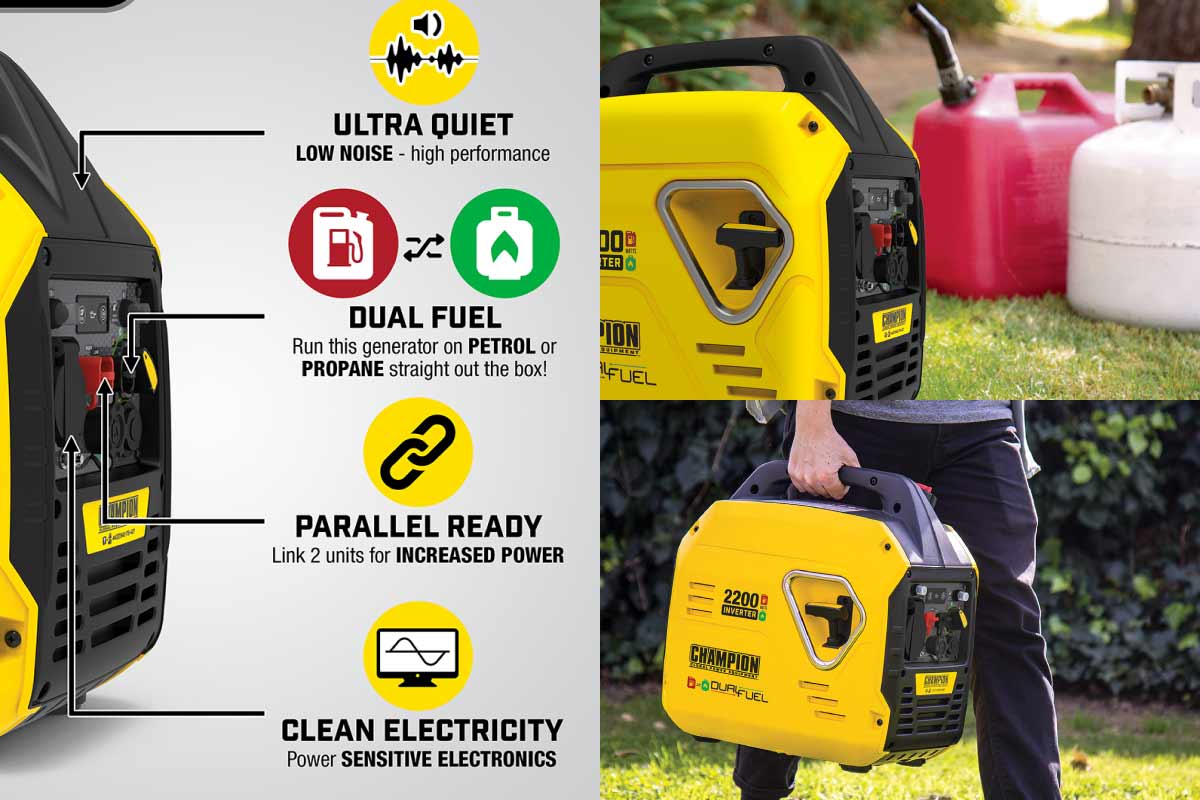
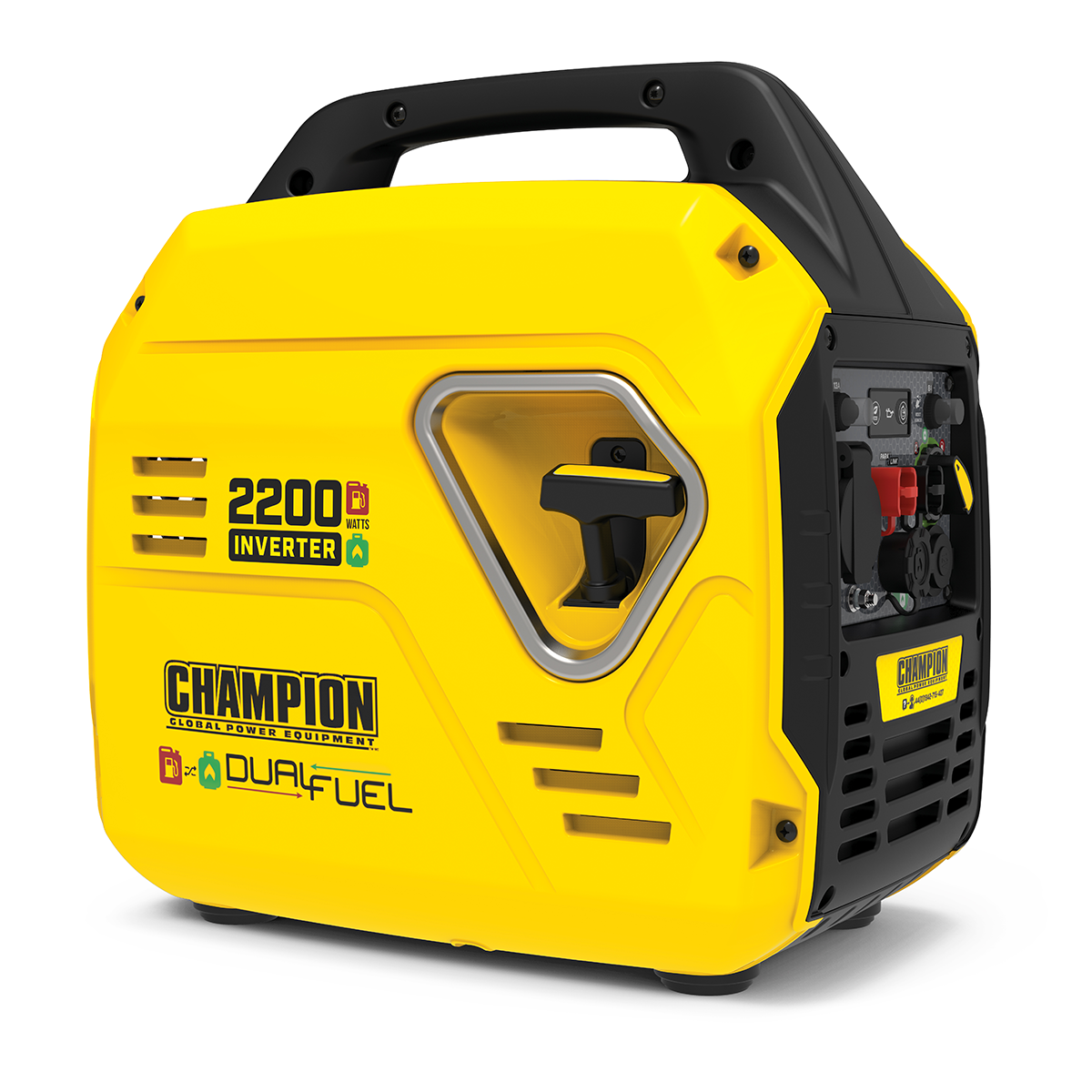
1. Champion 92001i-DF Dual Fuel Inverter Generator
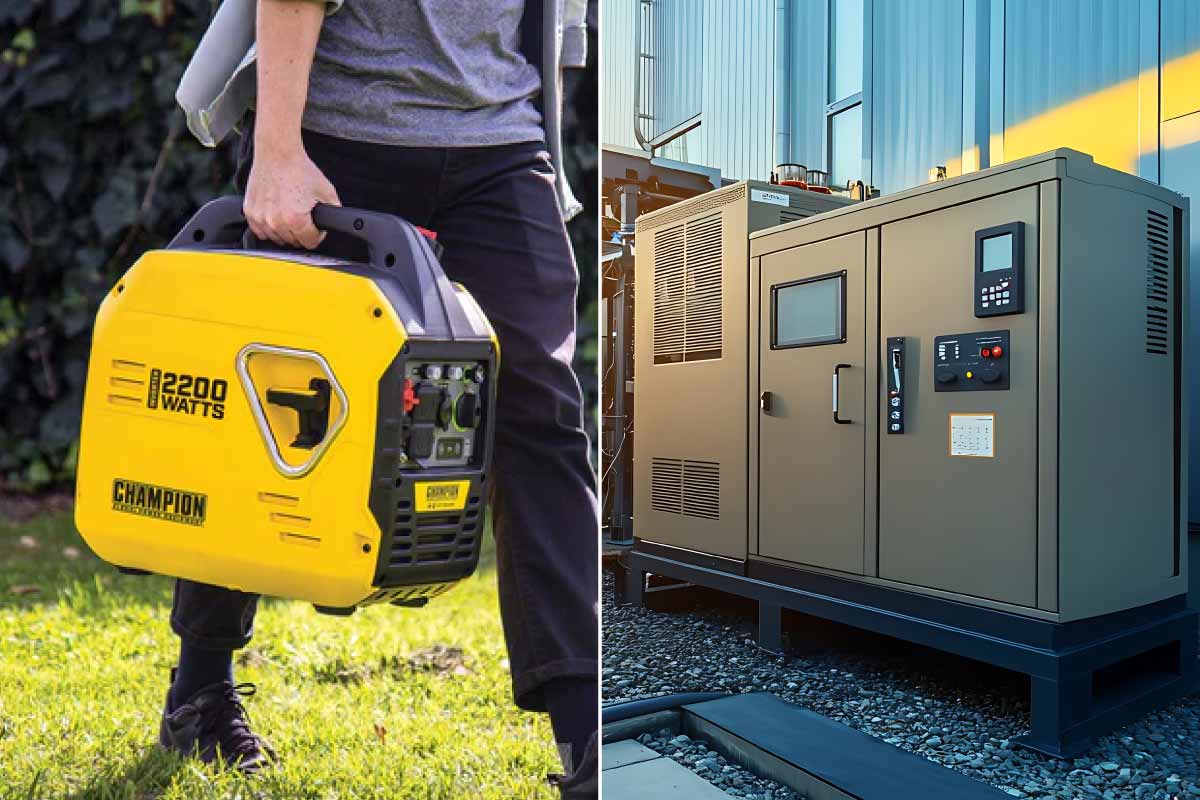
A compact and versatile dual-fuel generator that is ideal for campervans, caravans, camping, and leisure use. Its inverter technology makes it suitable for powering sensitive electronics such as laptops, chargers, and TVs, while the portable design makes transport easy.
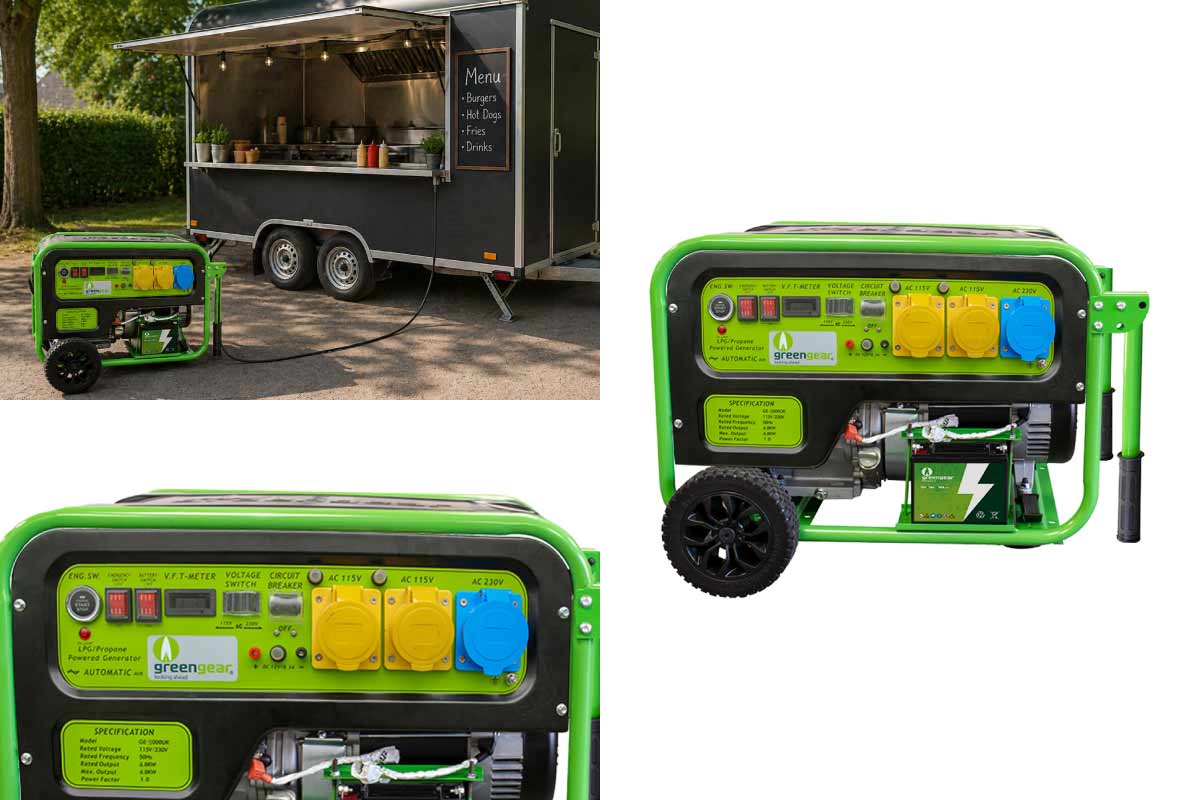
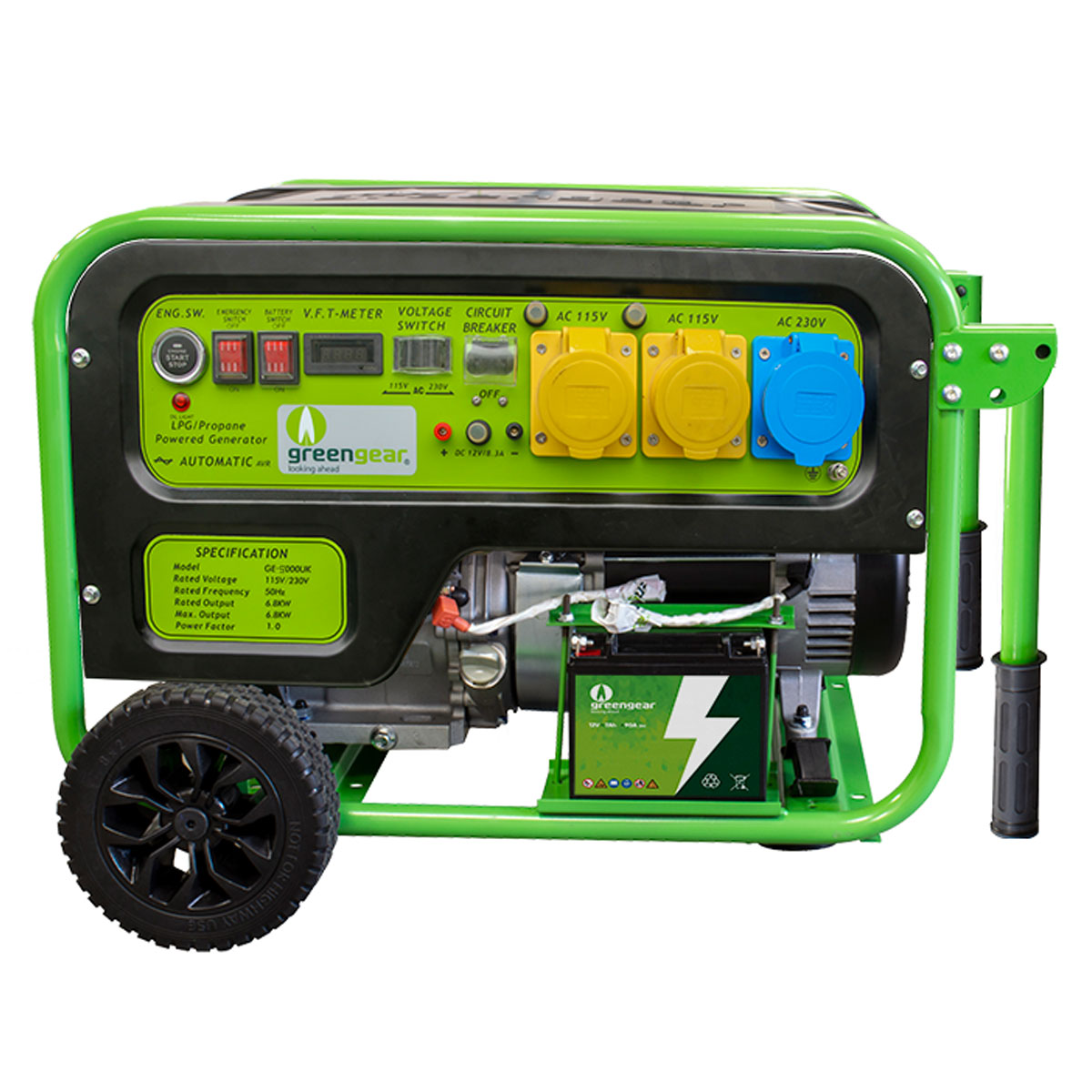
2. GreenGear LPG Power Generator GE-5000UK
A strong choice for mobile catering units, market traders, and event businesses where petrol generators may be restricted on certain sites. Designed to deliver reliable LPG power for equipment, lighting, and commercial use.
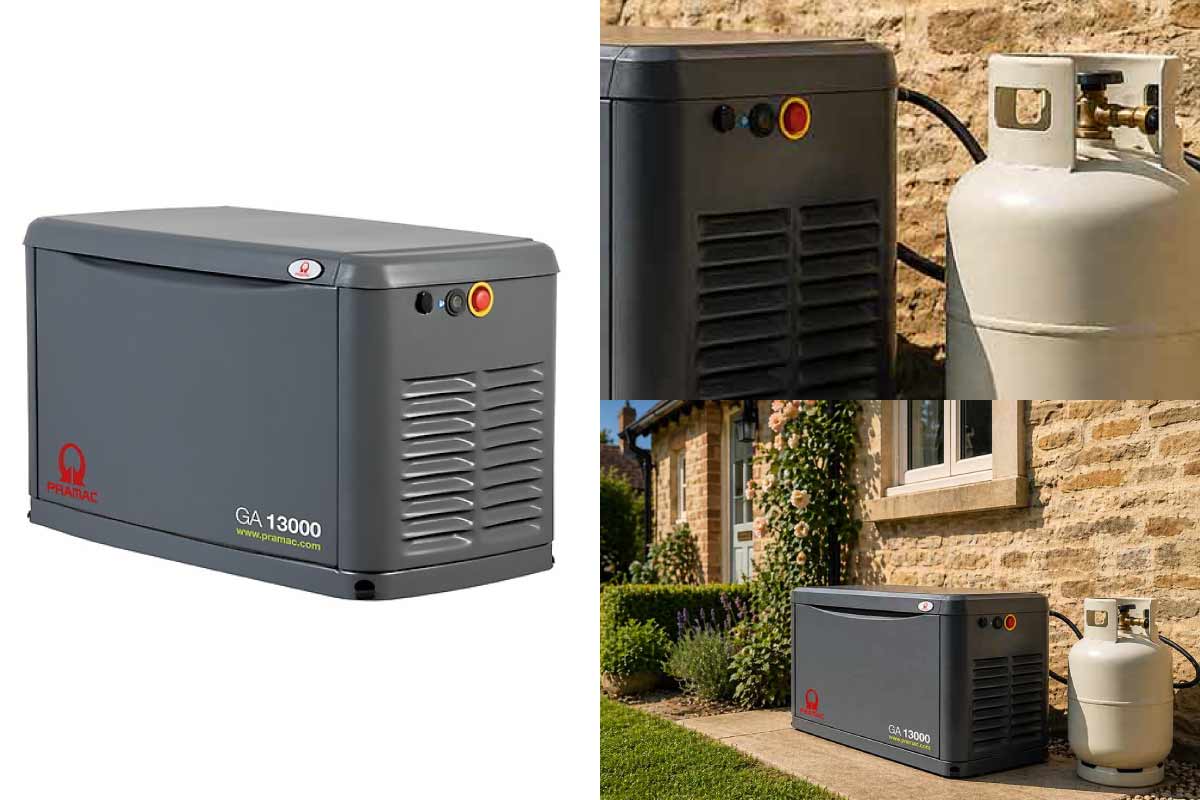
3. Pramac GA13000 LPG / Natural Gas Standby Generator
An excellent standby generator for homes, farms, and commercial premises that already have an LPG or natural gas supply. Ideal for backup power during outages, offering dependable automatic standby protection for essential systems and appliances.
How Can We Help
At Generators Direct, we offer a wide range of petrol, LPG, and dual-fuel generators designed to provide reliable power across a variety of applications.
Our team can help you choose the right generator based on fuel type, portability, runtime, and your intended use. Every order includes free mainland UK shipping, along with expert after-sales support to help you get the most from your generator.
If you need advice or have any questions, don’t hesitate to get in touch using our contact form or by phone at +44 1639 849847.
Related articles
-
 October 4th 2024
What Size Generator Do I Need to Run a House?
-
March 28th 2025
Inverter Generators vs. Traditional Generators: What You Need to Know
-
November 7th 2025
What Size Generator Do You Need For Camping?
-
June 19th 2026
How to Choose a Portable Power Station: 6 Key Tips
-
November 28th 2024
How Long Do Backup Generators Last?











Be the first to know the latest industry news and offers